
💾WORKING MEMORY
Working Memory
The brain's temporary "scratchpad" used to temporarily hold and manipulate information. It highly correlates with Fluid Intelligence (Gf) as a physiological processing infrastructure.
📖 Read Time: 6 minRead Details ➔
Explore key terminology in Intelligence Quotients (IQ), cognitive psychology, neuroscience, and statistics.
Each term features exhaustive breakdowns based on reliable clinical and mathematical psychometric models.
The brain's temporary "scratchpad" used to temporarily hold and manipulate information. It highly correlates with Fluid Intelligence (Gf) as a physiological processing infrastructure.
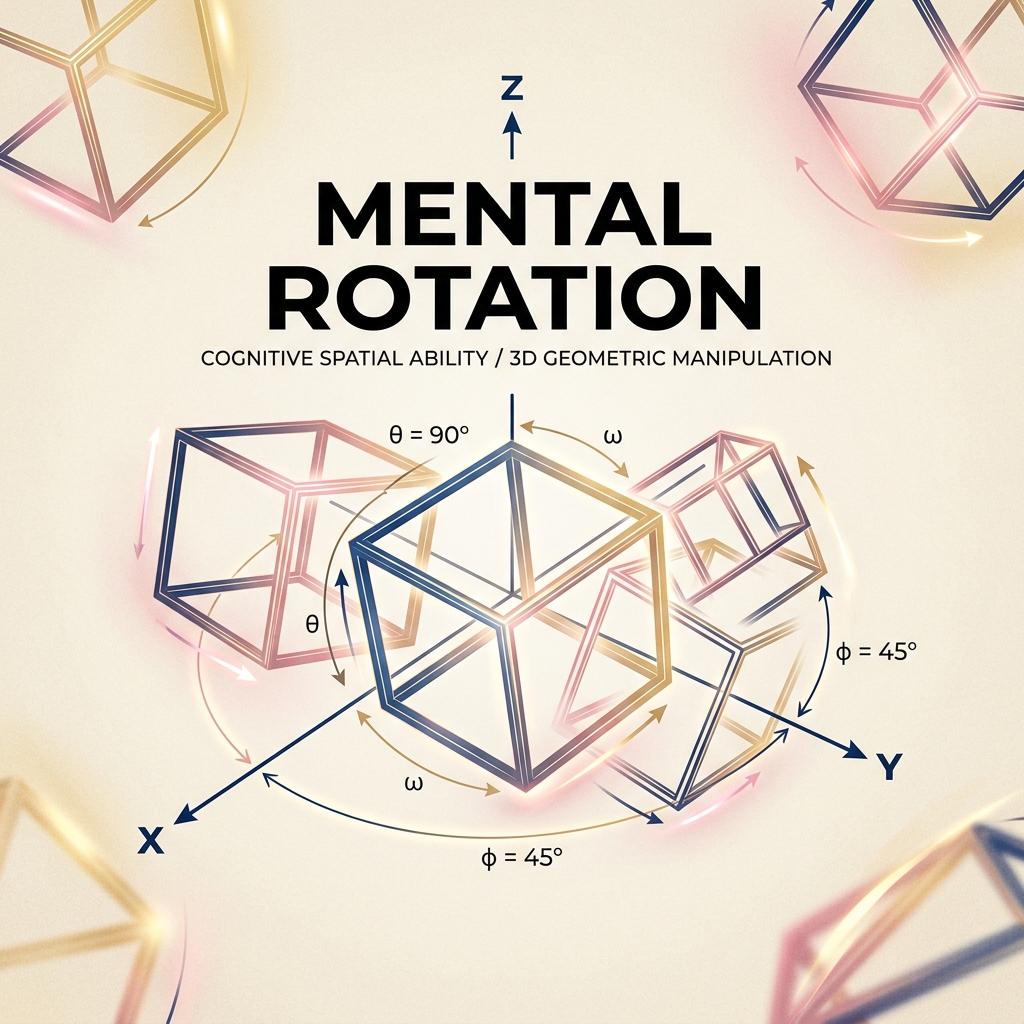
The cognitive process of rotating 2D or 3D mental representations of objects in the virtual spatial canvas of the brain. The core of Visual Spatial Index (VSI).
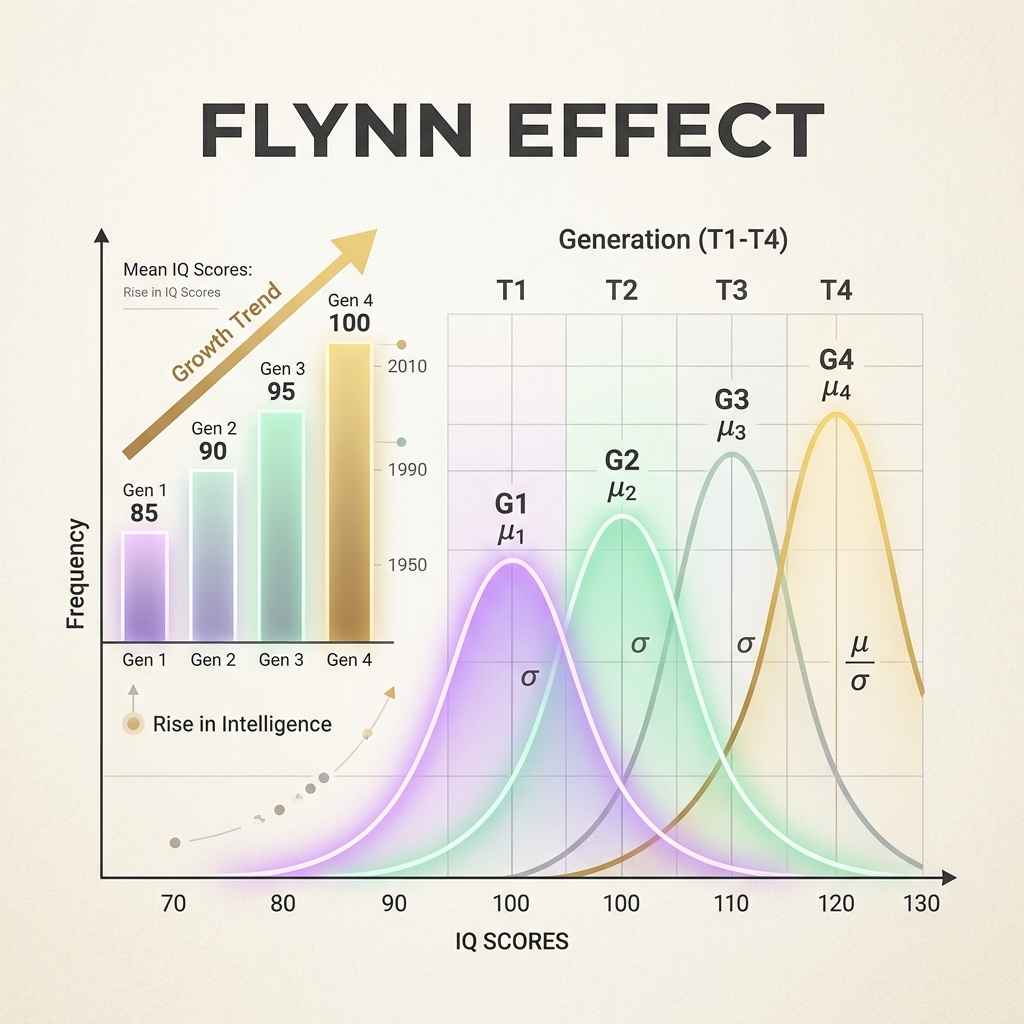
The psychometric phenomenon where raw average IQ scores of the global population have been rising continuously (about 3 points per decade) over the generations.
The capacity to think logically and solve novel problems in unfamiliar situations, independent of acquired knowledge or cultural background. "Raw processing power."
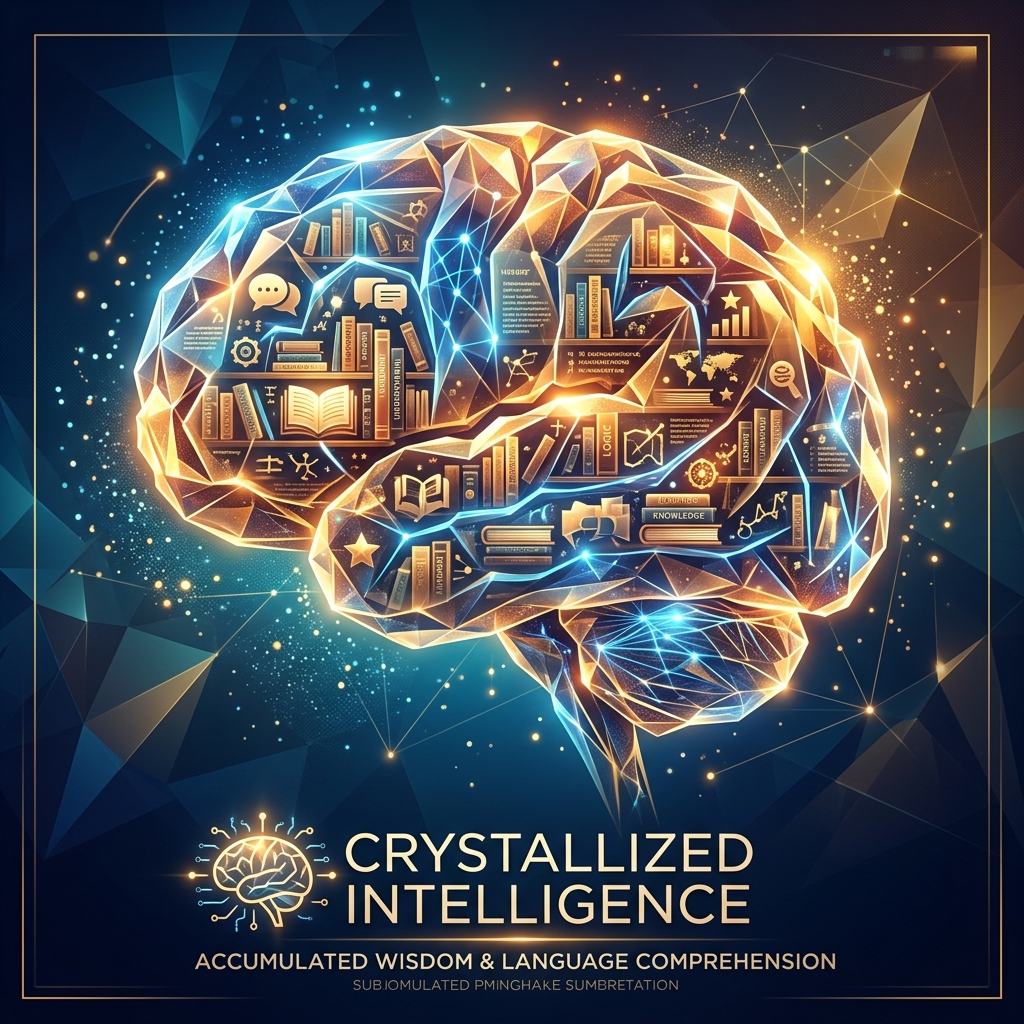
The cognitive capacity representing accumulated knowledge, vocabulary, professional skills, and strategic wisdom built up through lifelong education and social experience.
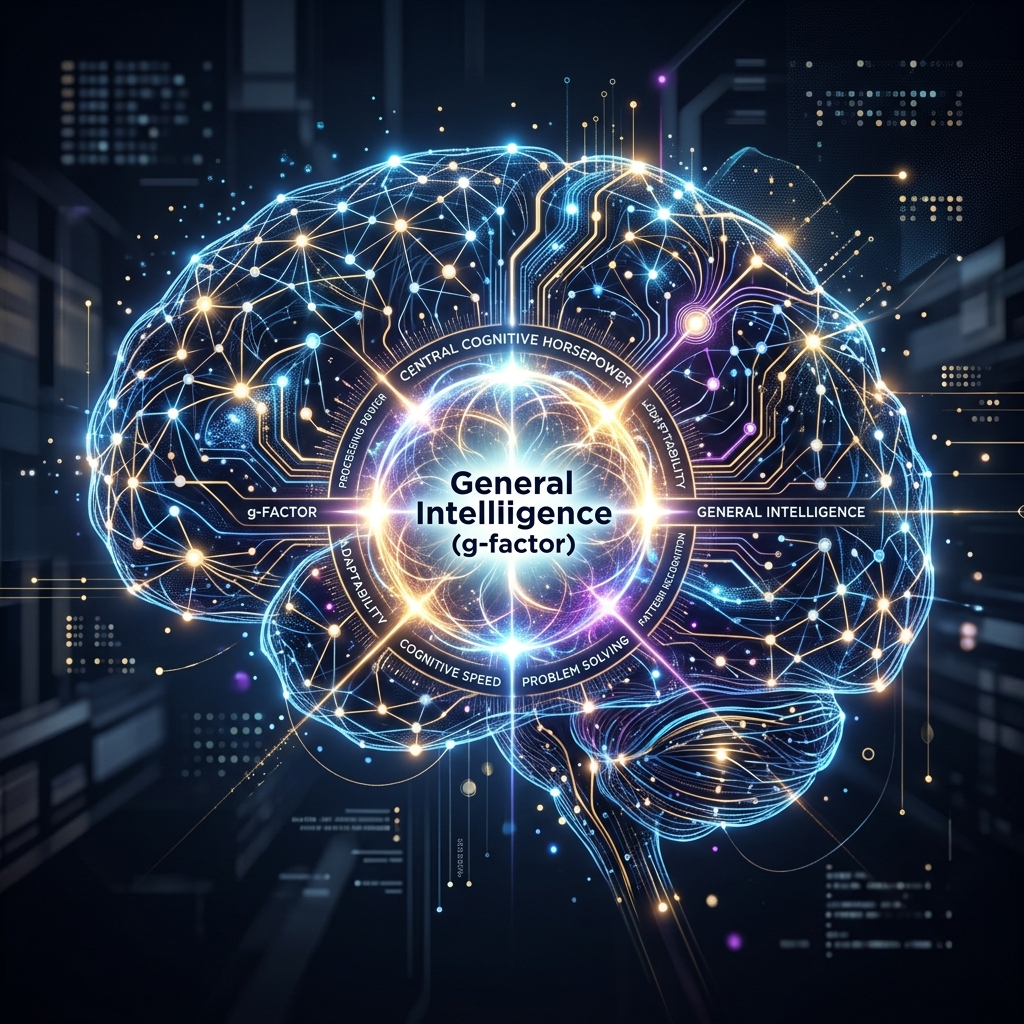
The underlying core psychometric factor "g" that drives performance across all diverse cognitive tests, first discovered by Charles Spearman in 1904.
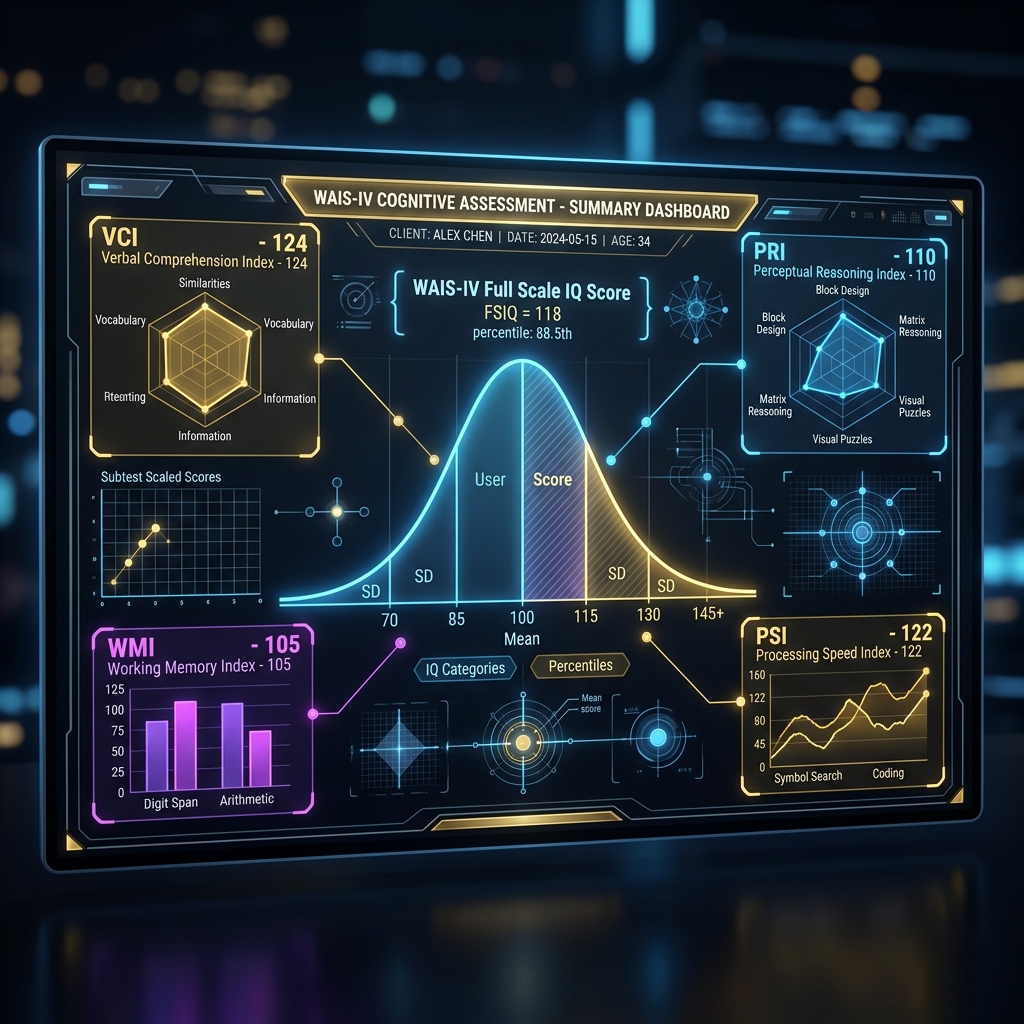
The gold standard clinical intelligence scale used worldwide to measure FSIQ and identify cognitive strengths/weaknesses across four indices.
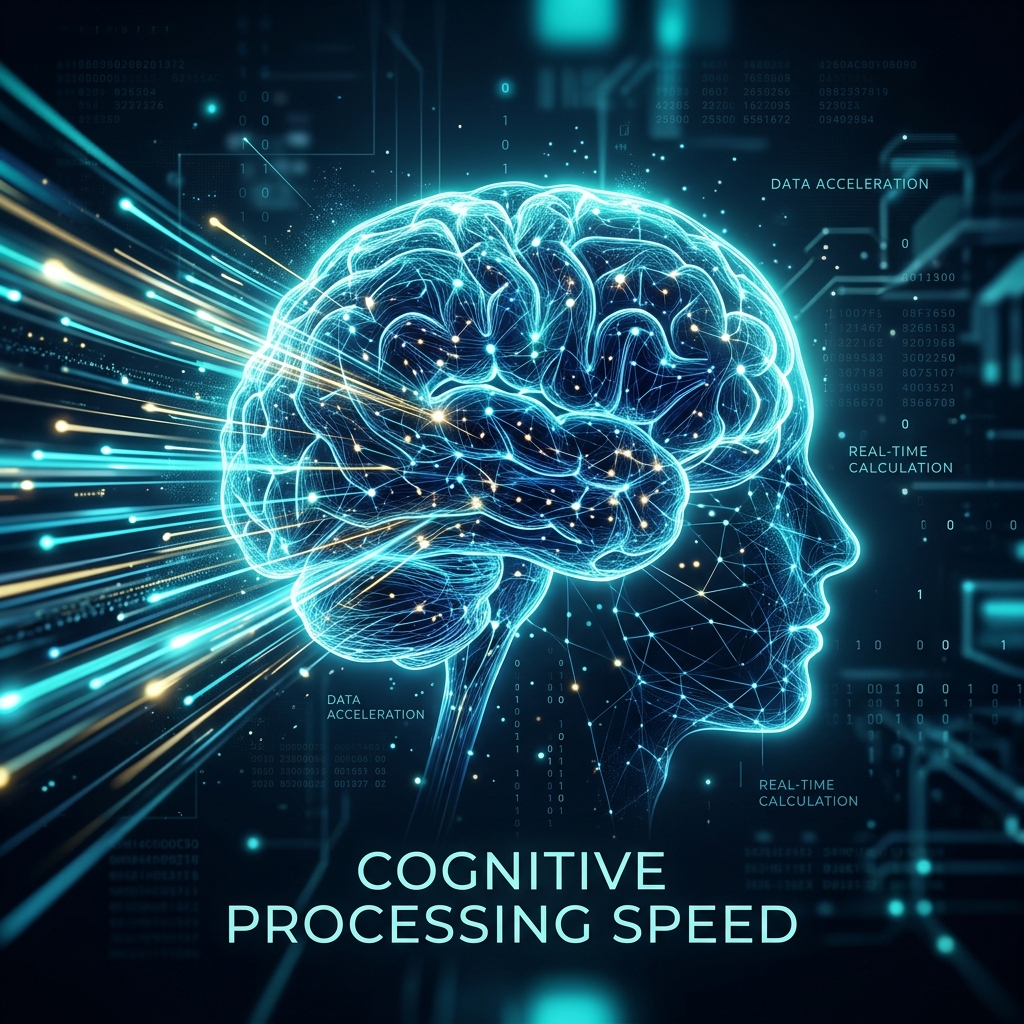
The rate at which the brain can visually scan, organize, and perform simple, repetitive cognitive tasks. A key index (PSI) under WAIS-IV.

The brain's lifelong ability to physically reorganize, grow, and strengthen neural networks in response to learning, exercise, and mental stimulation.
An innate, advanced cognitive and psychological profile characterized by exceptional intellectual capacity (typically FSIQ > 130) and intense sensitivity.
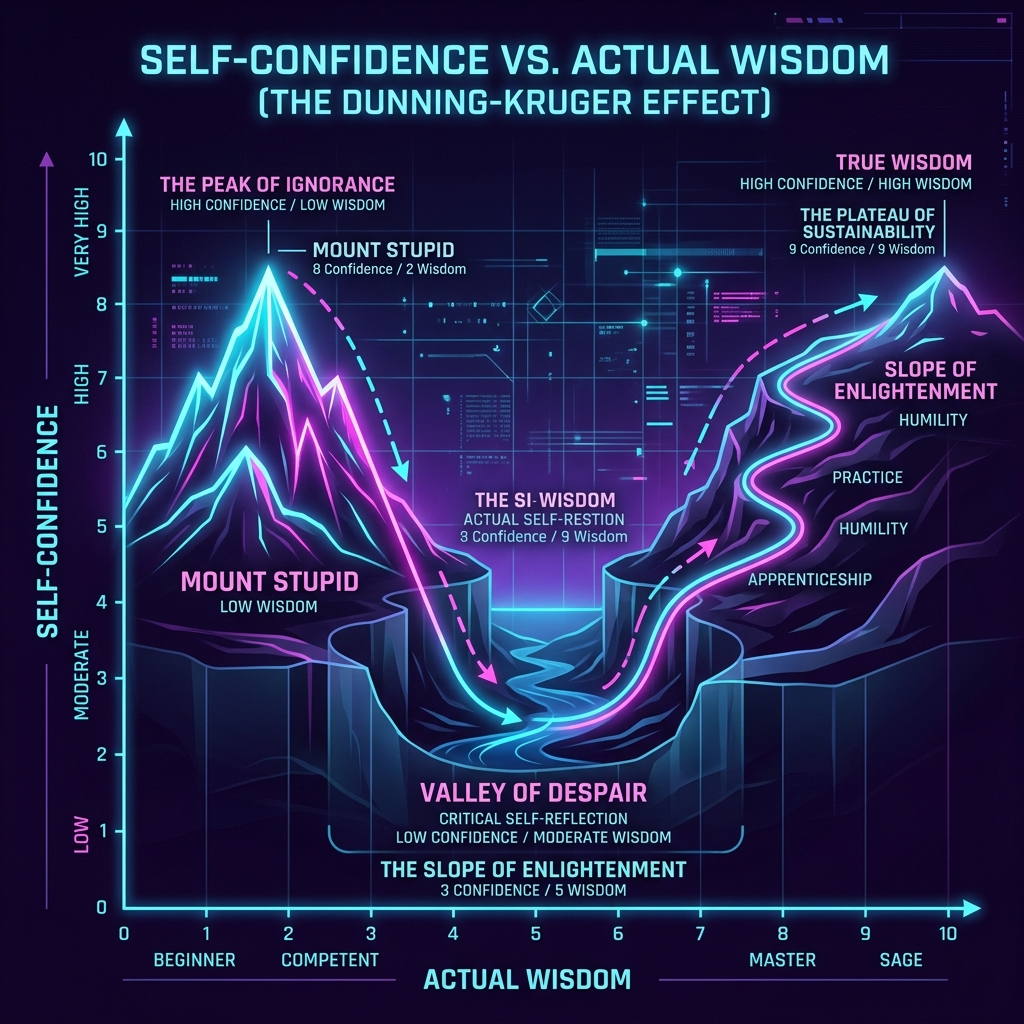
A cognitive bias where unskilled individuals in a domain overestimate their competence, while highly skilled experts underestimate it.

The higher-order mental capacity to monitor, evaluate, and actively regulate one's own thinking processes. "Thinking about thinking."
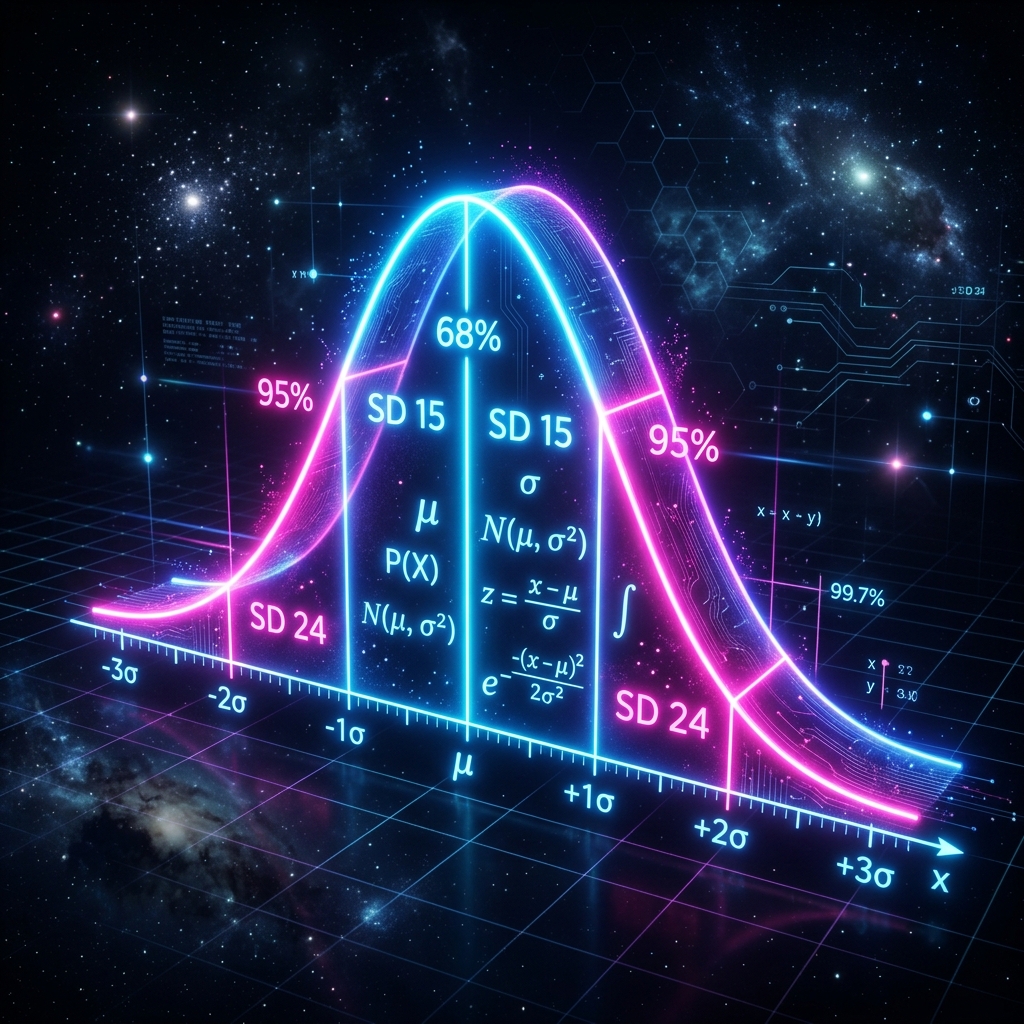
The statistical unit measuring the spread of IQ scores across standard bell curves. Crucial for converting SD15 and SD24 scales.
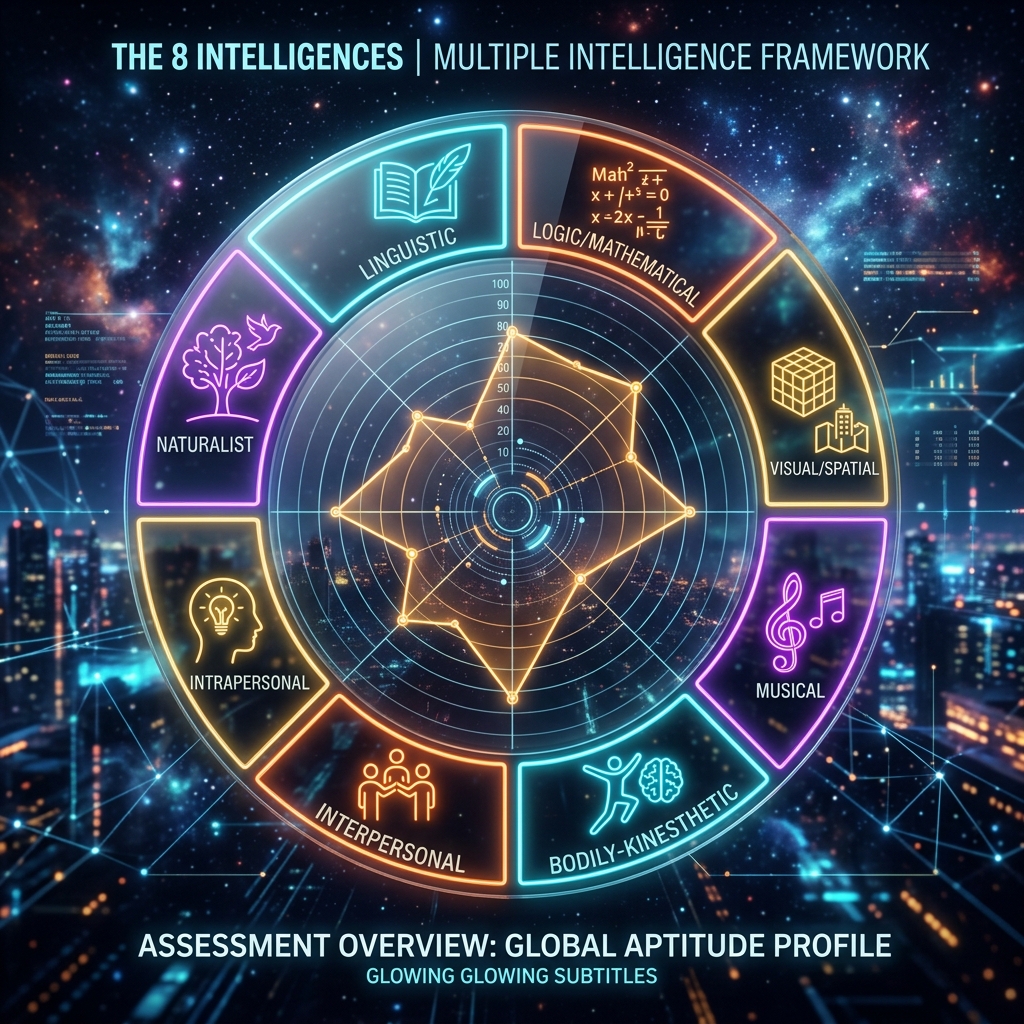
Howard Gardner's landmark cognitive model asserting that human intellect is not a single g-factor, but comprises 8 independent dimensions.
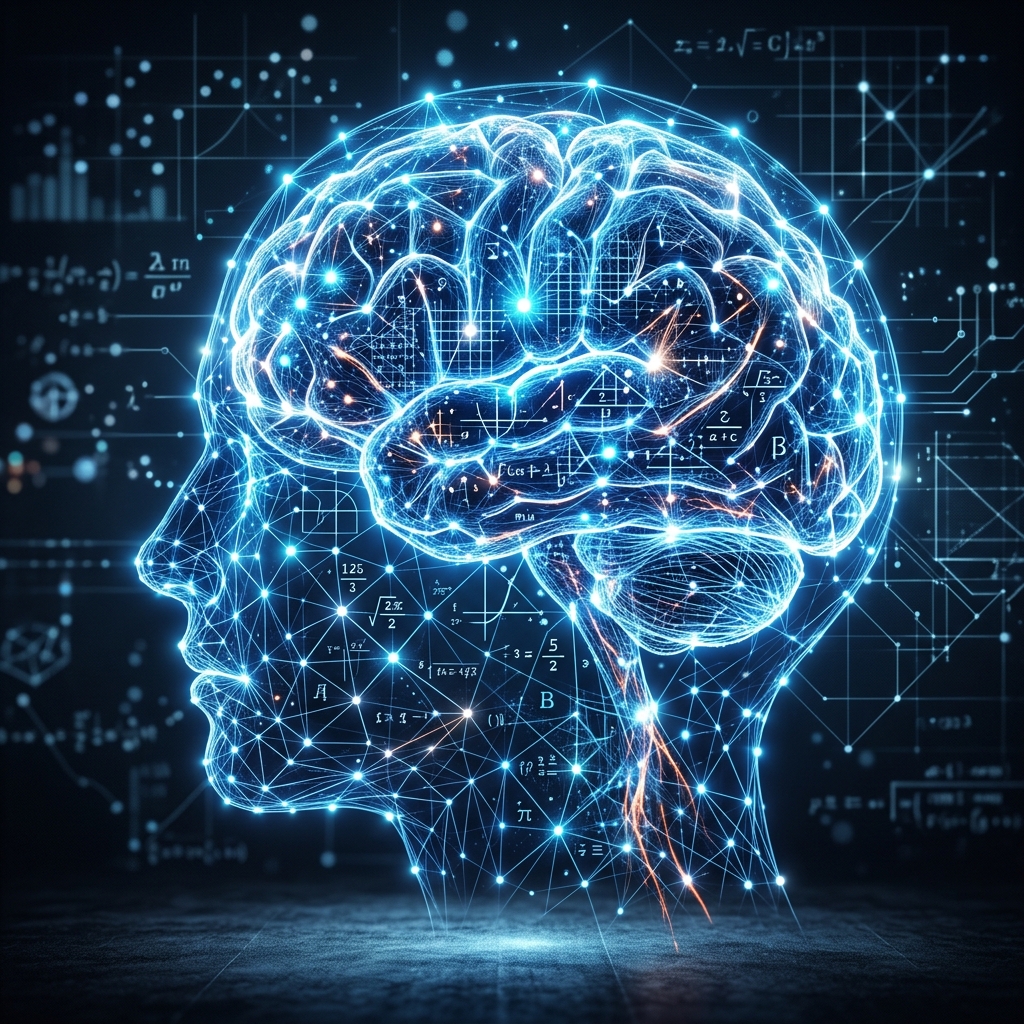
Intelligence Quotient (IQ) is a psychometric deviation score mapped on a normal Gaussian distribution representing computational and analytical processing efficiency relative to one's peers.
Emotional Intelligence (EQ/EI) represents the capacity to accurately perceive, evaluate, express, and self-regulate emotions in oneself and others to guide thinking and social relations.
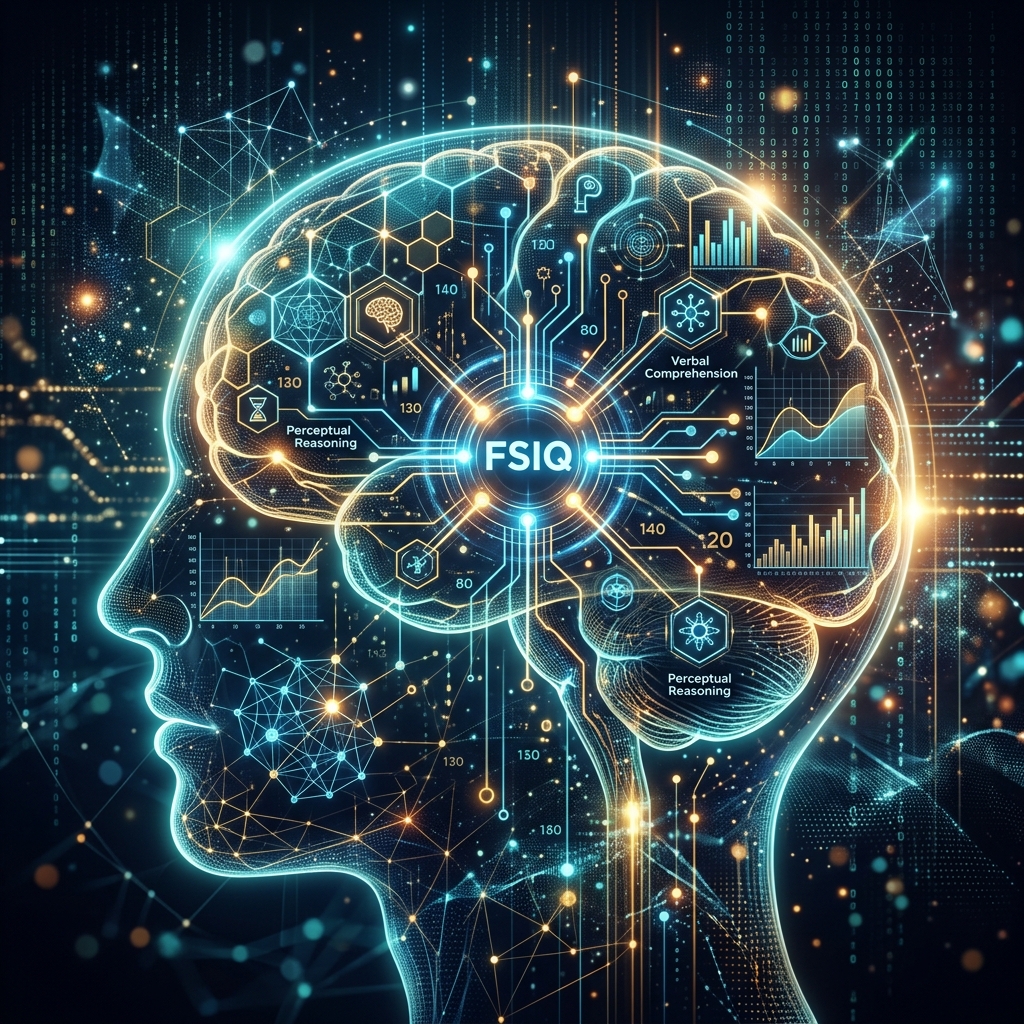
Full Scale IQ (FSIQ) is the total standardized composite score derived from Wechsler cognitive batteries (like WAIS-IV), combining verbal comprehension, perceptual reasoning, working memory, and processing speed.

Founded in 1946, Mensa is the world's oldest and largest high-IQ society, restricting membership solely to those scoring in the top 2% of the population (FSIQ >= 131 under SD15 scale).

A cognitive profile where an individual displays exceptional intellectual giftedness (typically FSIQ >= 130) alongside a specific processing bottleneck like ADHD, ASD, or dyslexia.
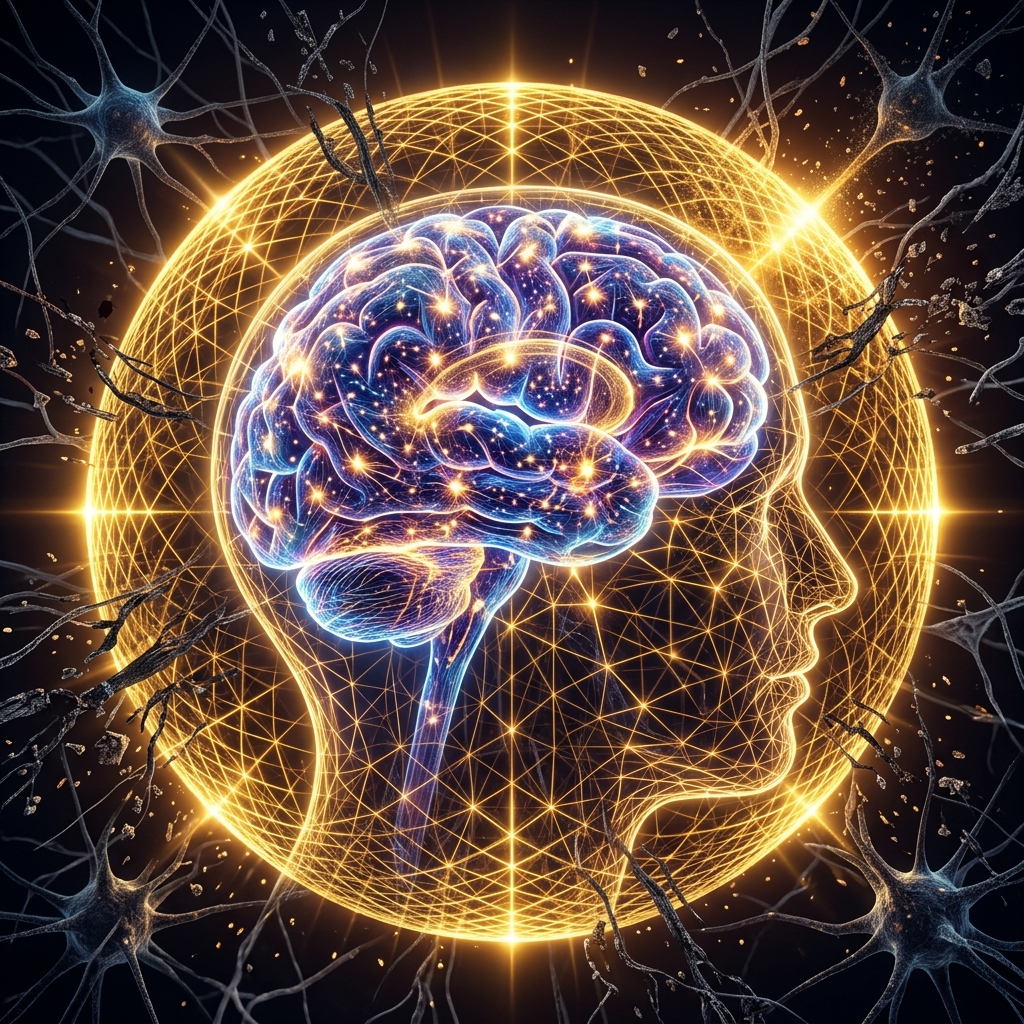
The brain's resilience and capacity to dynamically recruit alternative functional synaptic networks to maintain high-level cognitive performance despite aging or physical brain damage.
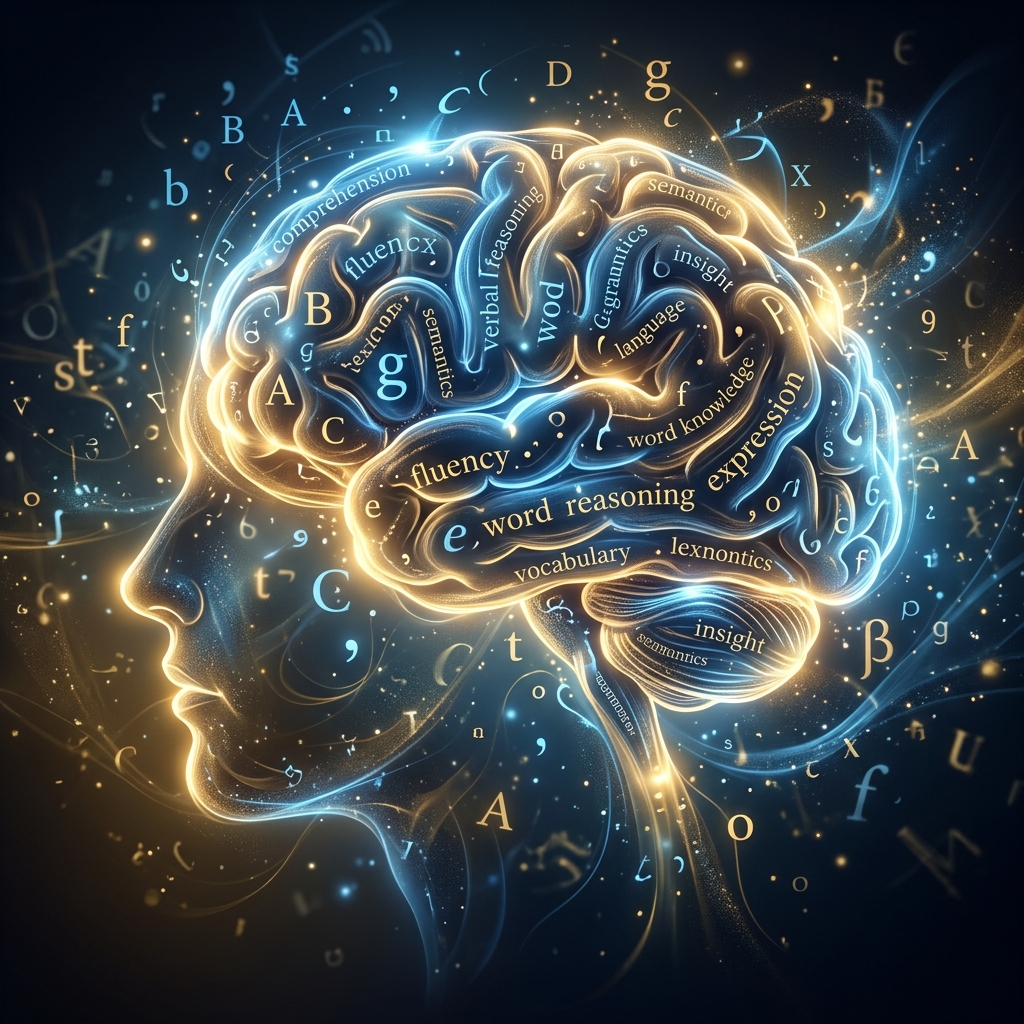
One of the four core indices of Wechsler scale (WAIS-IV) measuring verbal conceptualization, abstract word reasoning, and database knowledge accumulated in long-term memory (Crystallized Gc).