
An Intelligence Quotient (IQ) is a standardized psychometric rating derived from clinical cognitive examinations. Rather than representing an absolute measurement of total brain volume or human value, it captures relative information-processing speed, logical reasoning, and pattern-deduction capacities compared strictly to one's age peers.
1. The Evolution of IQ: From Ratio IQ to modern "Deviation IQ"
The history of intellectual testing dates back to French psychologist Alfred Binet in the early 20th century, who created a test to identify school children needing developmental support.
- Ratio IQ (Historical): Formulated by William Stern as $IQ = (Mental Age / Chronological Age) \times 100$. This formula suffered from a severe mathematical limit: as an individual entered adulthood, chronological age continued to rise while mental development saturated, causing scores to artificially drop.
- Deviation IQ (Modern): Introduced by David Wechsler, modern scales map raw test results onto a Gaussian normal distribution. This measures how far an individual deviates from the average score of their contemporaneous peer group, providing stable intellectual metrics across an entire lifespan.
2. Standard Deviation and Percentile Math
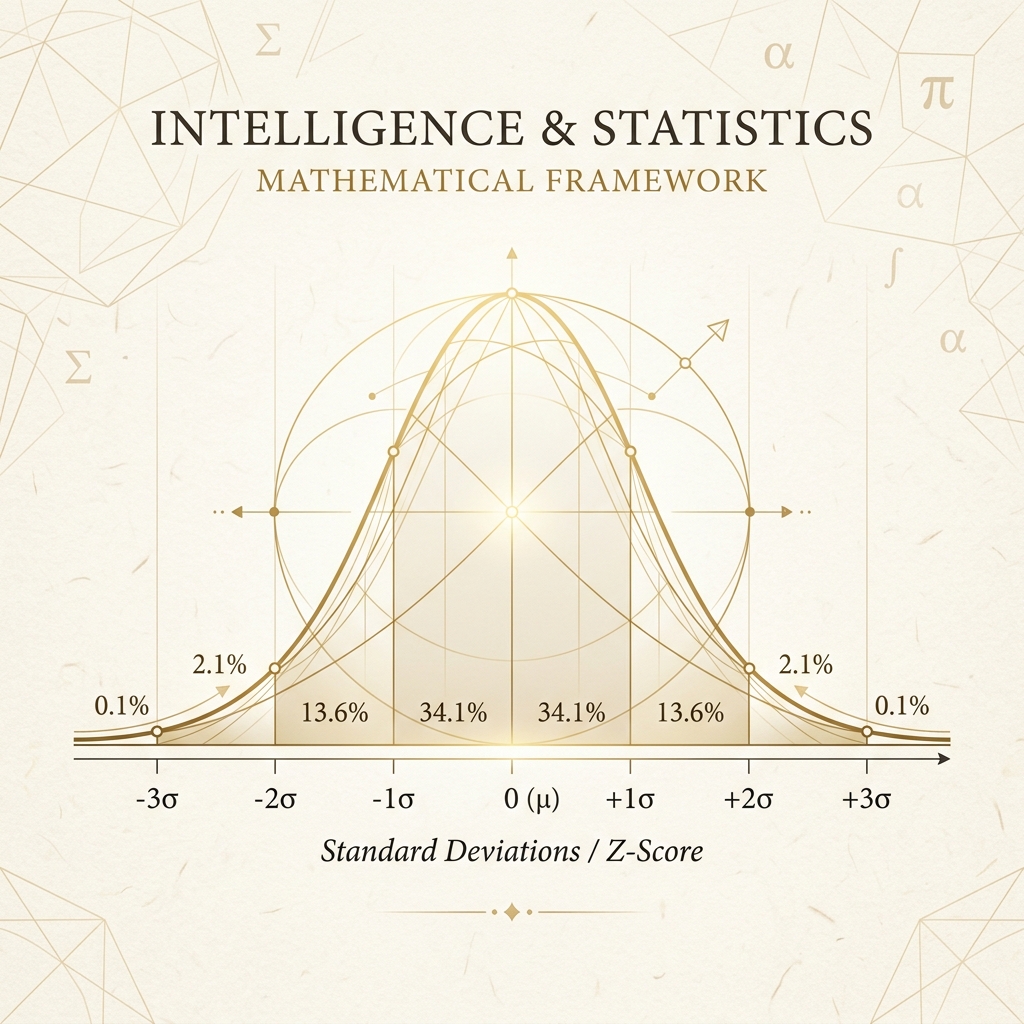
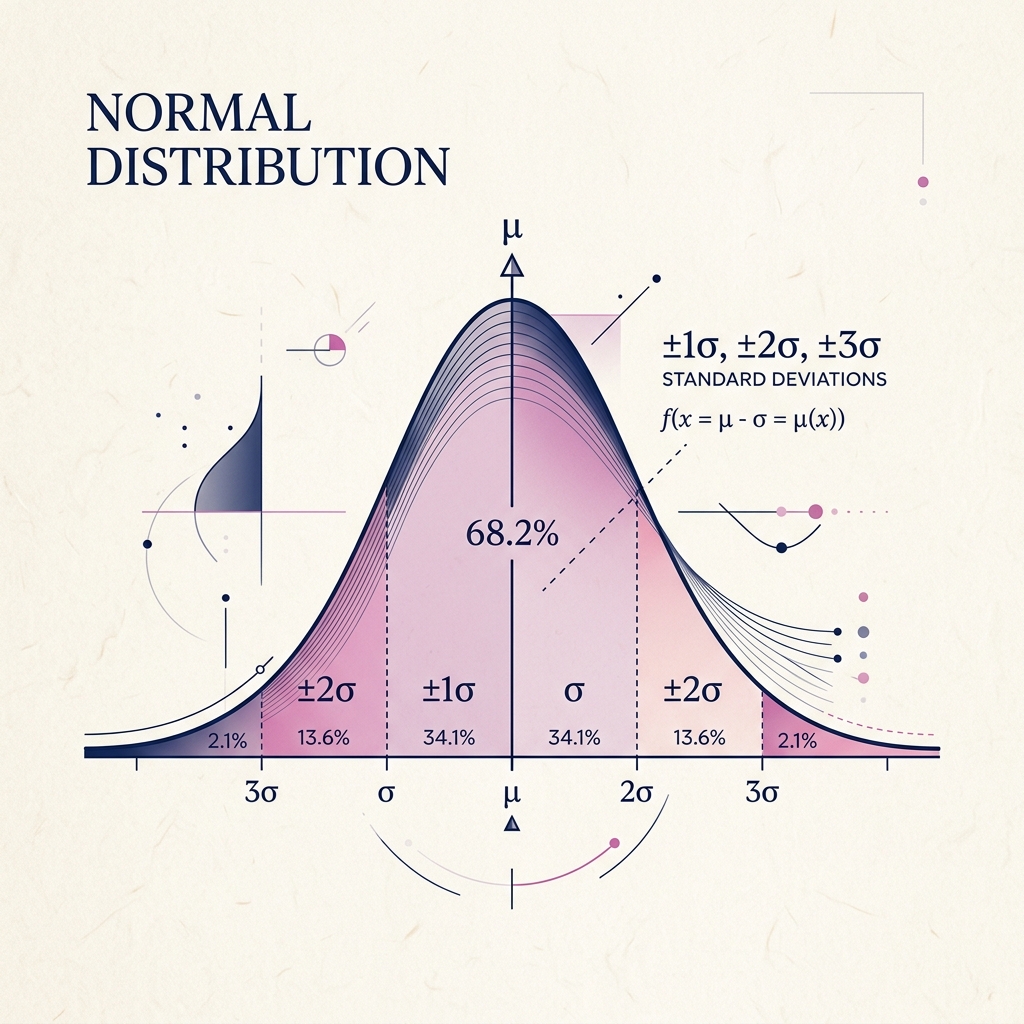
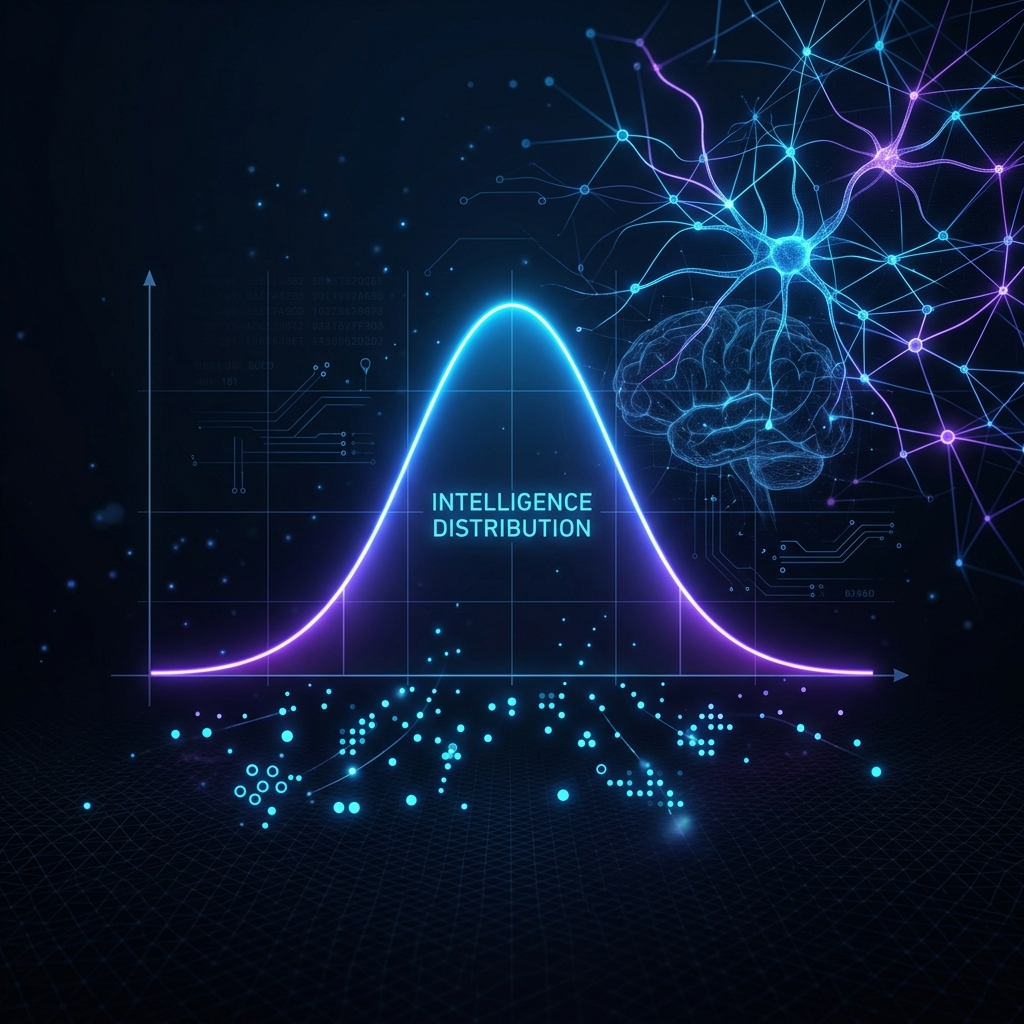
Modern deviation IQ is mapped onto a Gaussian bell curve centered at a mean of 100, using a Standard Deviation (SD) of 15:
- IQ 85 to 115 (±1 SD): Houses approximately 68.27% of the global population, representing typical average abilities.
- IQ 70 to 130 (±2 SD): Encompasses 95.44% of the population.
- IQ 130+ (+2 SD): Represents the top 2.28% of the population, the clinical standard marking the lower boundary of structural intellectual Giftedness.
- IQ 70 and Below (-2 SD): Represents the bottom 2.28%, used as one of several indicators to diagnose clinical intellectual learning support requirements.
3. Clinical Assessment and General Intelligence
IQ is evaluated through multi-index batteries like the WAIS-IV, which dissects cognitive profiles into Verbal Comprehension, Perceptual Reasoning, Working Memory, and Processing Speed. While IQ does not evaluate all human talent—excluding emotional control (EQ), creative artistic expressions, and sensory coordinates—it remains highly correlated with Charles Spearman's general intelligence factor (g-factor). It is the single most statistically verified predictor of academic potential and conceptual system modeling performance in scientific domains.
4. Rebuilding Your Cognitive Desktop
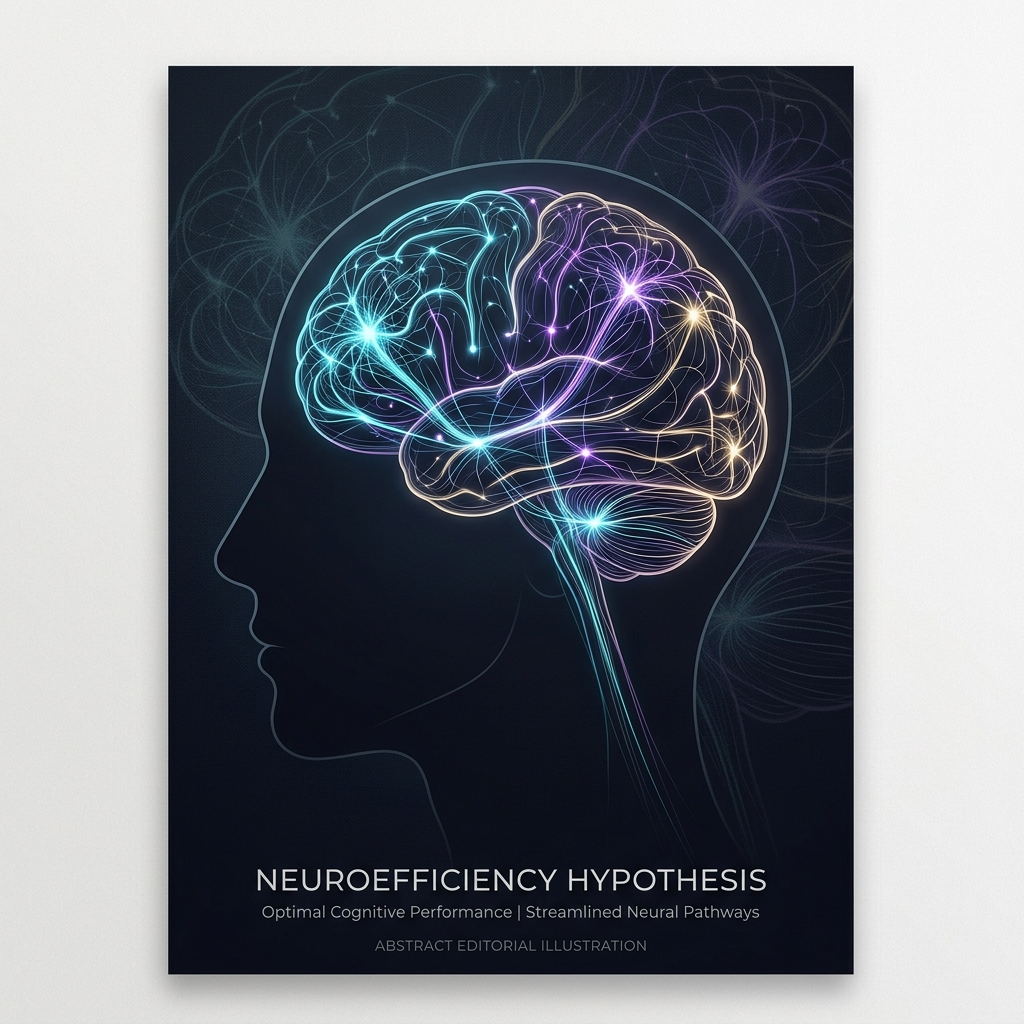
Baseline intelligence is not a static, genetically sealed metric. Your brain is a highly dynamic, adaptable engine that you can actively optimize through deliberate cognitive exercises, cardiovascular health to boost BDNF, and healthy lifestyle habits.
Use the analytical tests at "IQ Lab" to benchmark your cognitive performance. By measuring your baseline capabilities across 5 distinct domains mapped to standard SD15 norms, we help you understand your unique intellectual traits, serving as a powerful platform for active cognitive development.