The Science of IQ: How It Works and the 5 Cognitive Domains
An academic exploration of the scientific definition of Intelligence Quotient (IQ) based on modern psychometrics, standard deviation scaling, and the CHC model of cognitive traits.
IQ Science & Statistics Journal
Delve deep into the academic foundations of Intelligence Quotients, brain neuroplasticity, cognitive enhancement capabilities, and mathematical psychometrics based on clinical evidence.
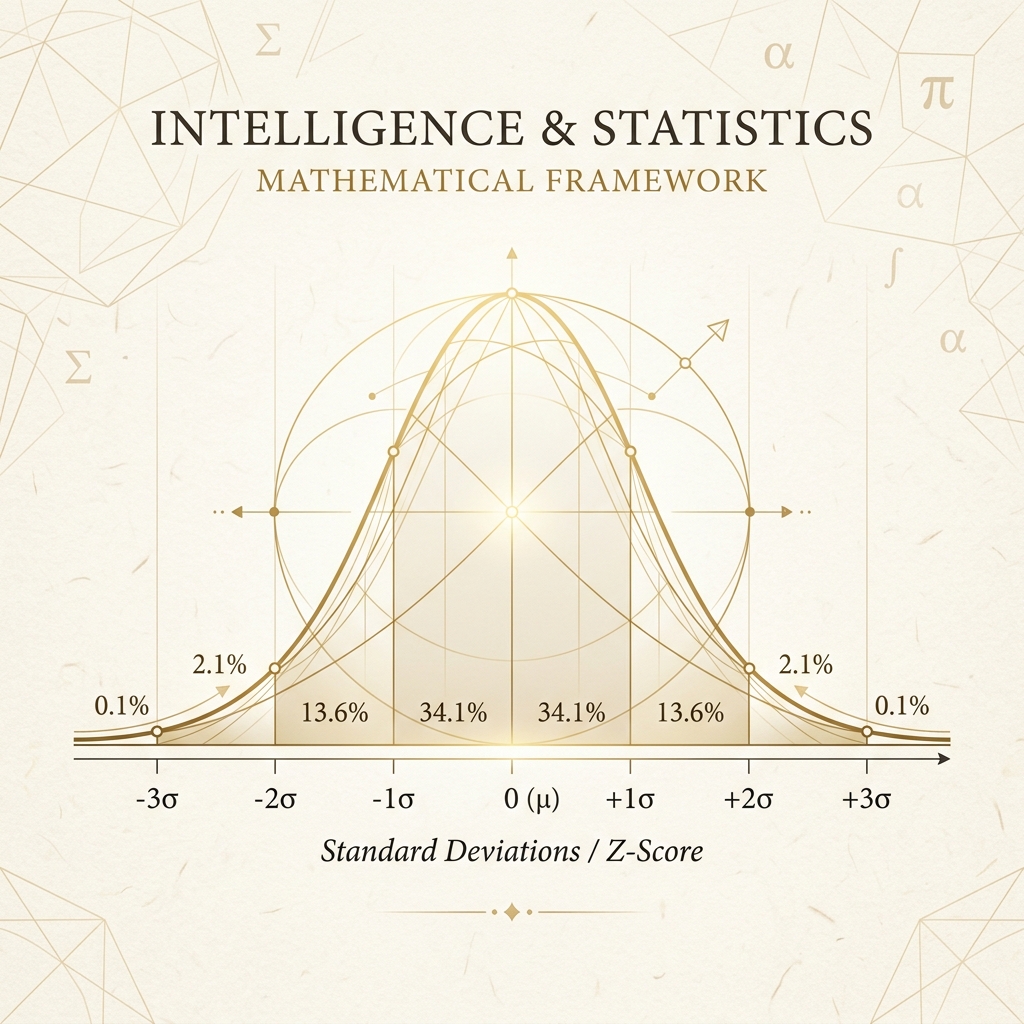
An academic exploration of the scientific definition of Intelligence Quotient (IQ) based on modern psychometrics, standard deviation scaling, and the CHC model of cognitive traits.
Explore the science of cognitive enhancement. We review peer-reviewed methods to grow fluid intelligence, prefrontal myelination, and attentional networks.
A look into Mensa entry criteria, the neurological profile of gifted individuals (FSIQ > 130), and the developmental realities of cognitive variance.
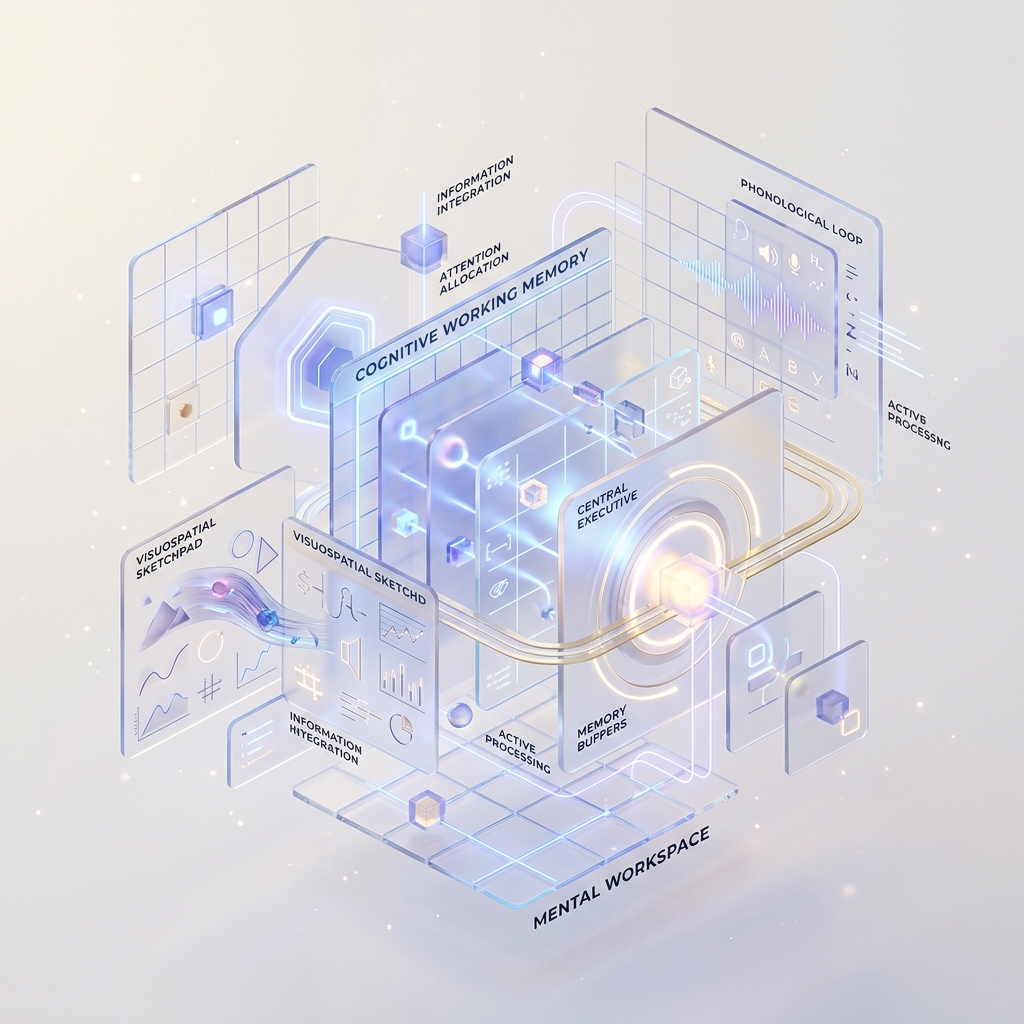
Hold more, solve faster. We examine Nelson Cowan's Magical Number 4, the biological constraints of frontoparietal memory slots, and GTD tactics to free mental RAM.
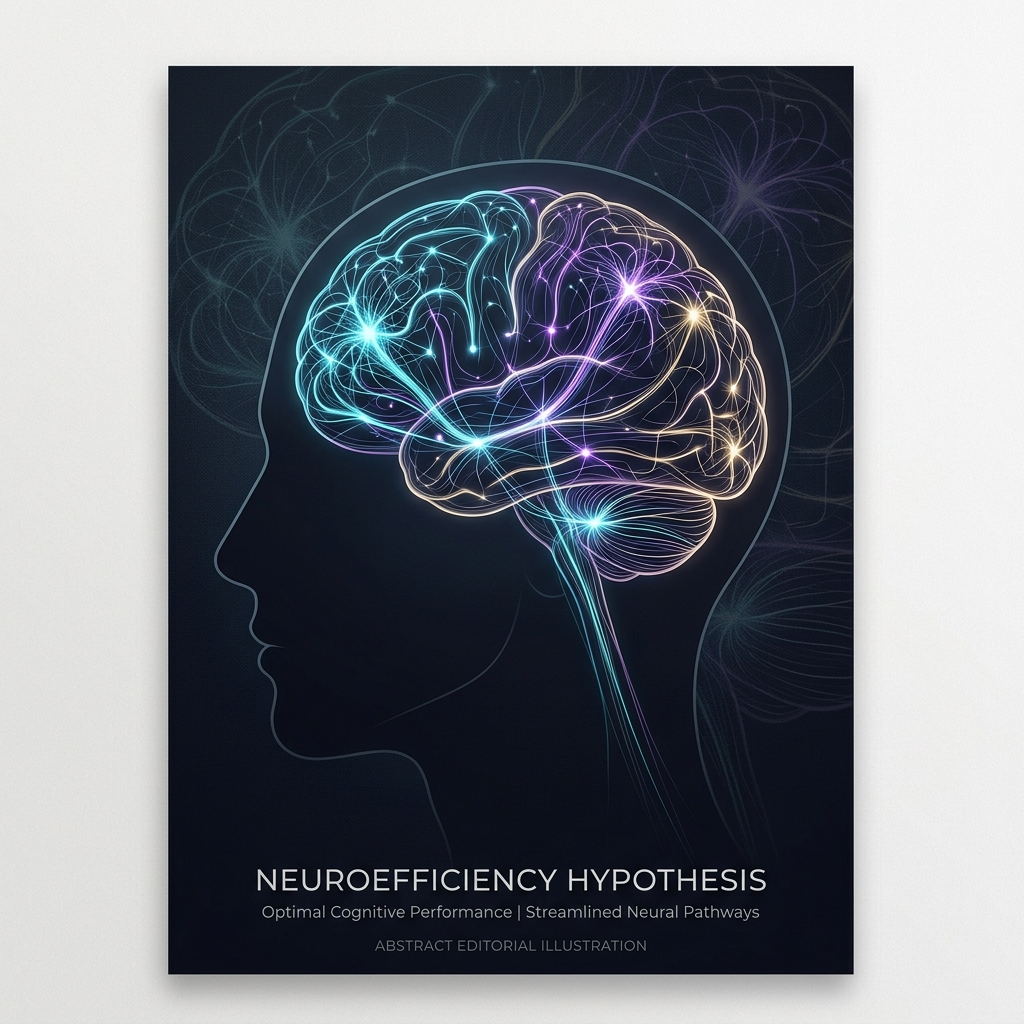
Work smarter, not harder. We analyze the Neuroefficiency Hypothesis—why high-g brains consume LESS glucose and show highly focused neural activation.
Spotting patterns versus recalling data. We dissect Cattell's two-factor intelligence framework and how these twin engines adapt across your life-span.
The ultimate psychometric construct. We trace Charles Spearman's Positive Manifold, factor-analytic math, and its core biological indicators.
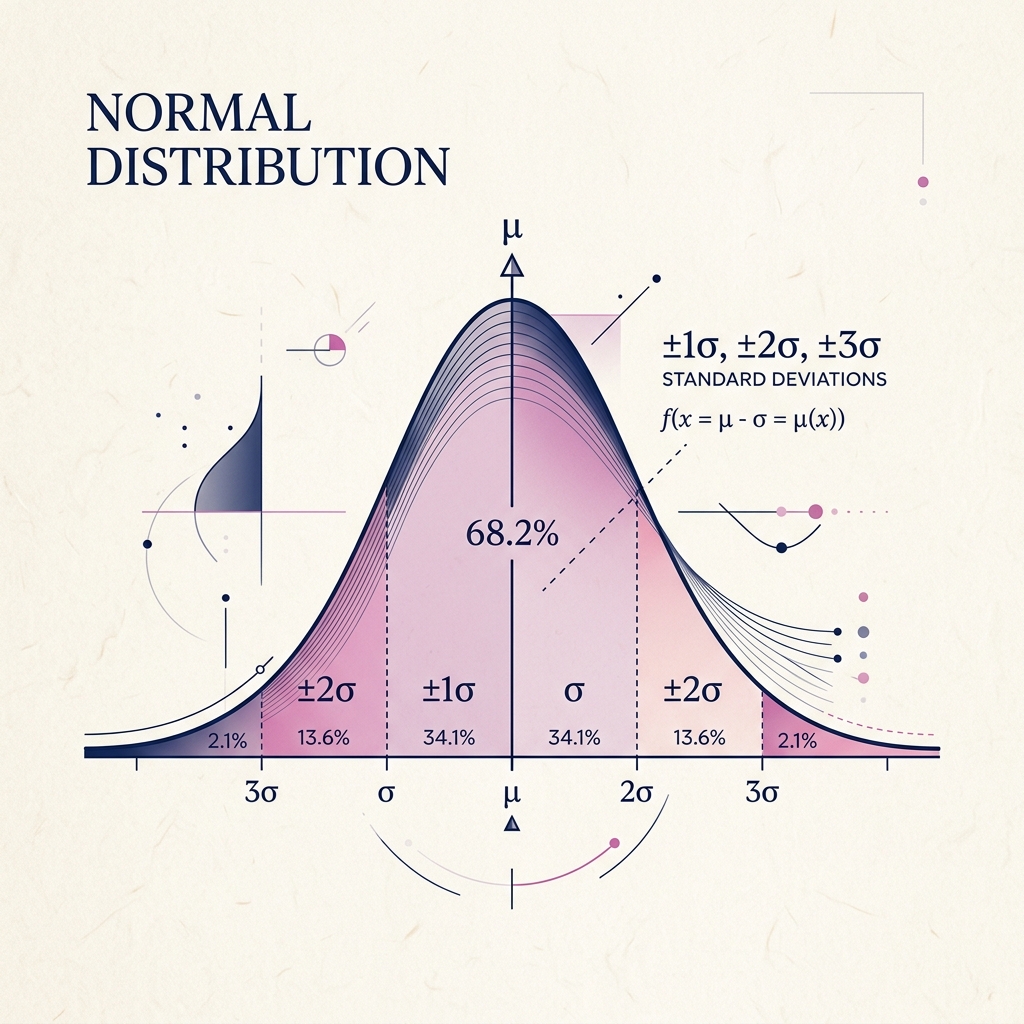
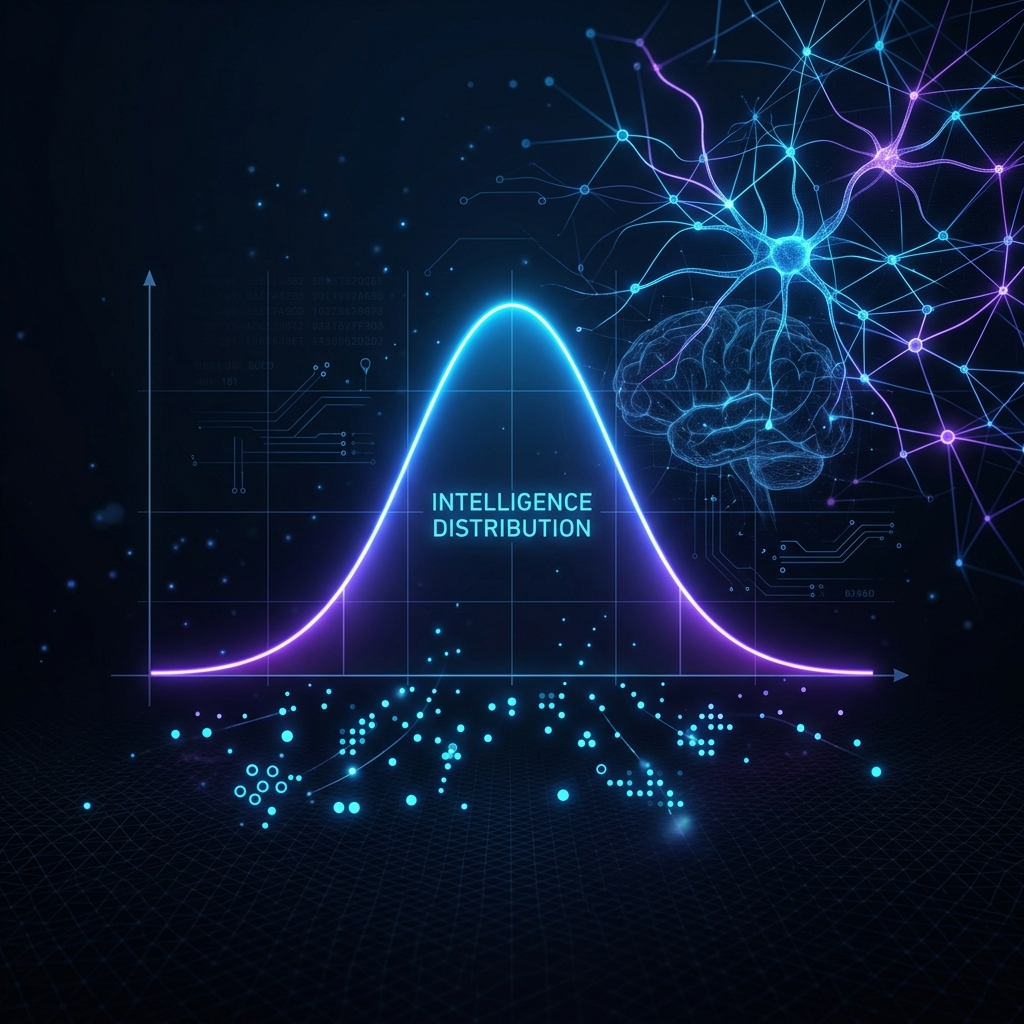
Is IQ 130 identical to IQ 148? We demystify standard deviation, percentile mapping, and Mensa qualification to prevent numeric confusion.
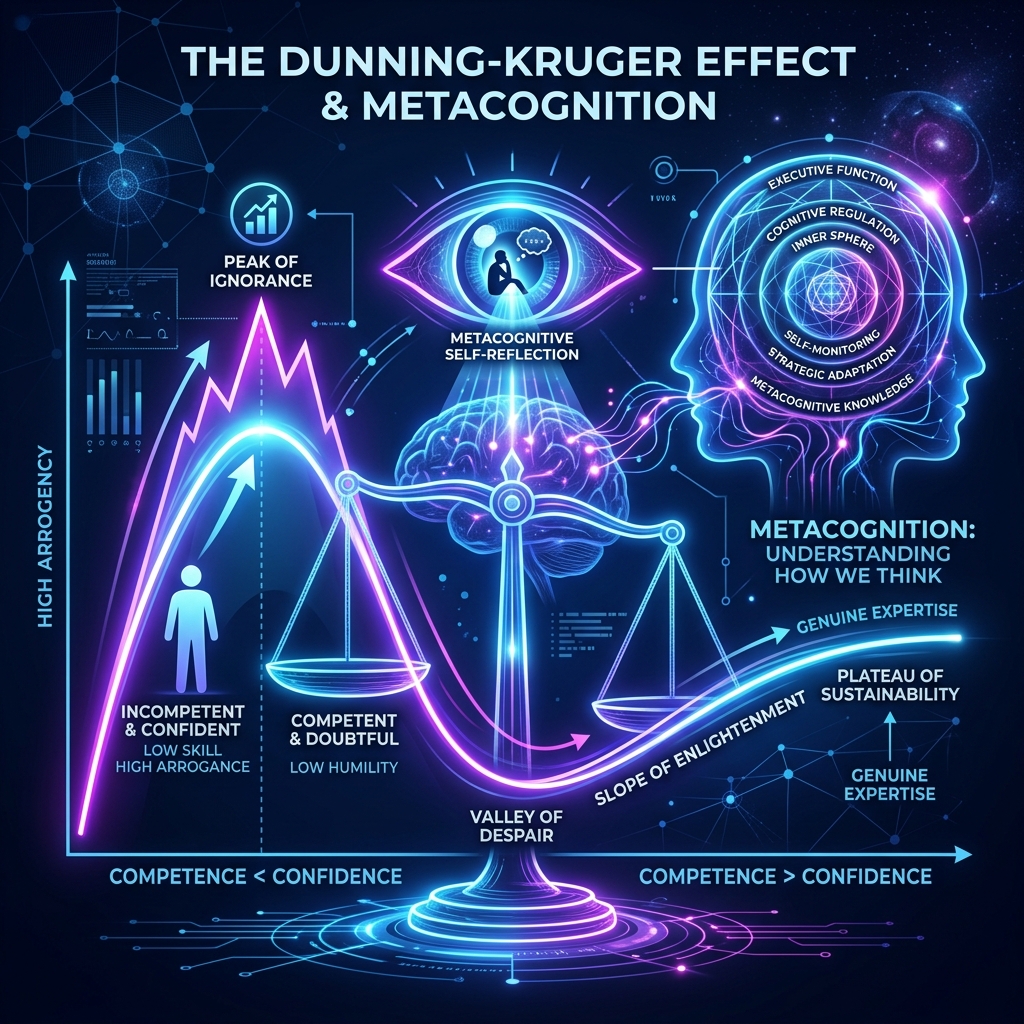
Metacognition represents the supreme intellectual capacity to accurately monitor and evaluate one's own skills. We explore how a lack of cognitive benchmark leads to the Dunning-Kruger Effect, where the unskilled overestimate their abilities and the highly gifted underestimate themselves.
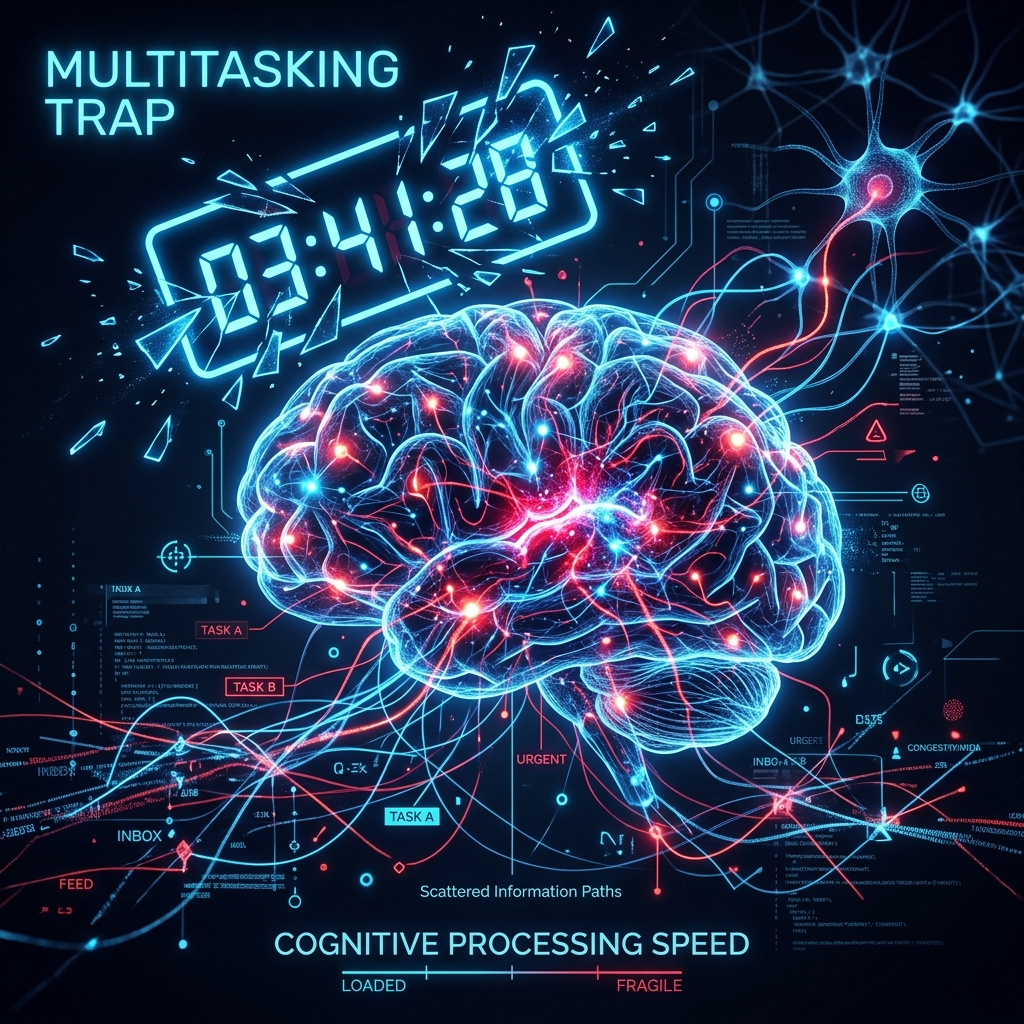
The modern belief that we can process multiple tasks simultaneously is a dangerous cognitive myth. Neuroscience confirms that multitasking is actually rapid, exhausting task-switching that depletes executive resources, clogs working memory slots, and cripples your cognitive Processing Speed.
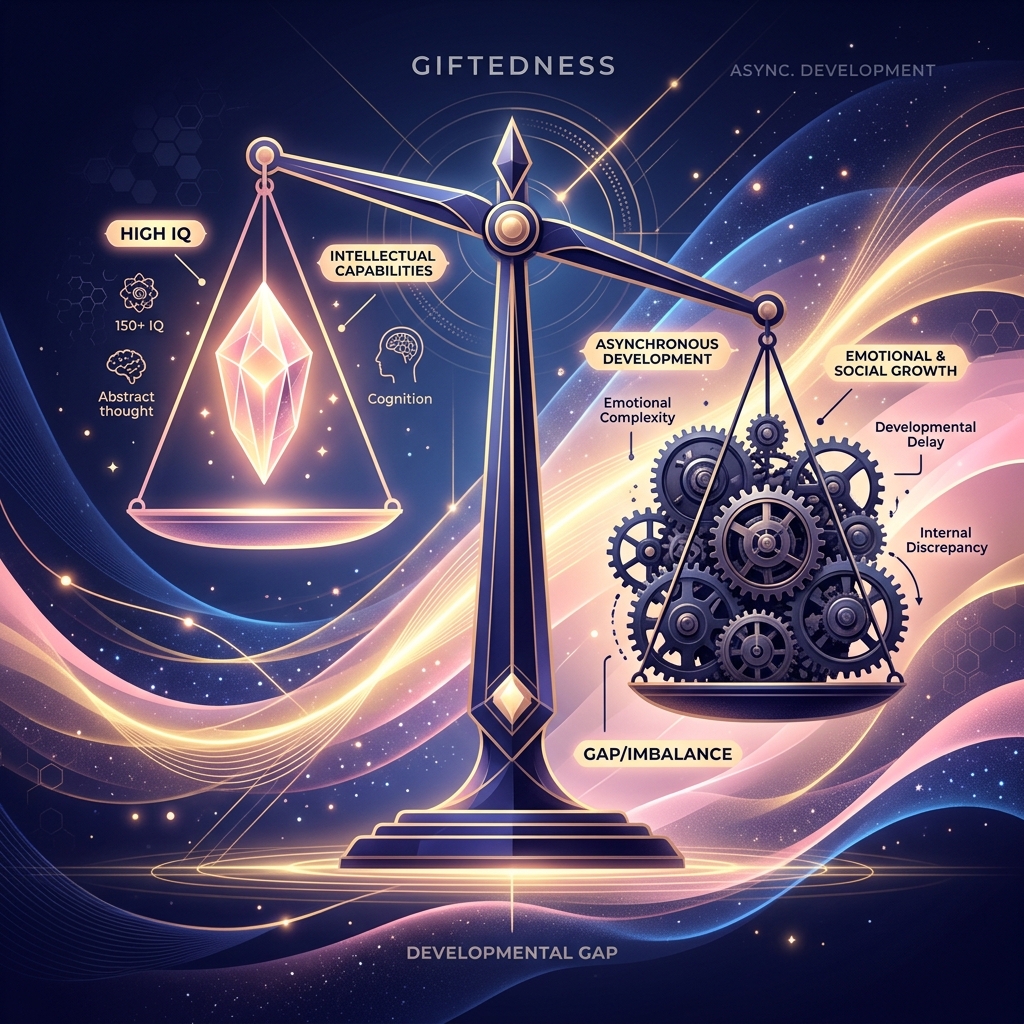
A high IQ profile (typically FSIQ > 130) is not merely a faster analytical engine; it is a qualitatively different nervous system. We analyze "Asynchronous Development" (the developmental gap between intellect, physical maturity, and emotions) and Kazimierz Dabrowski's five "Overexcitabilities" (OEs) that define the gifted experience.
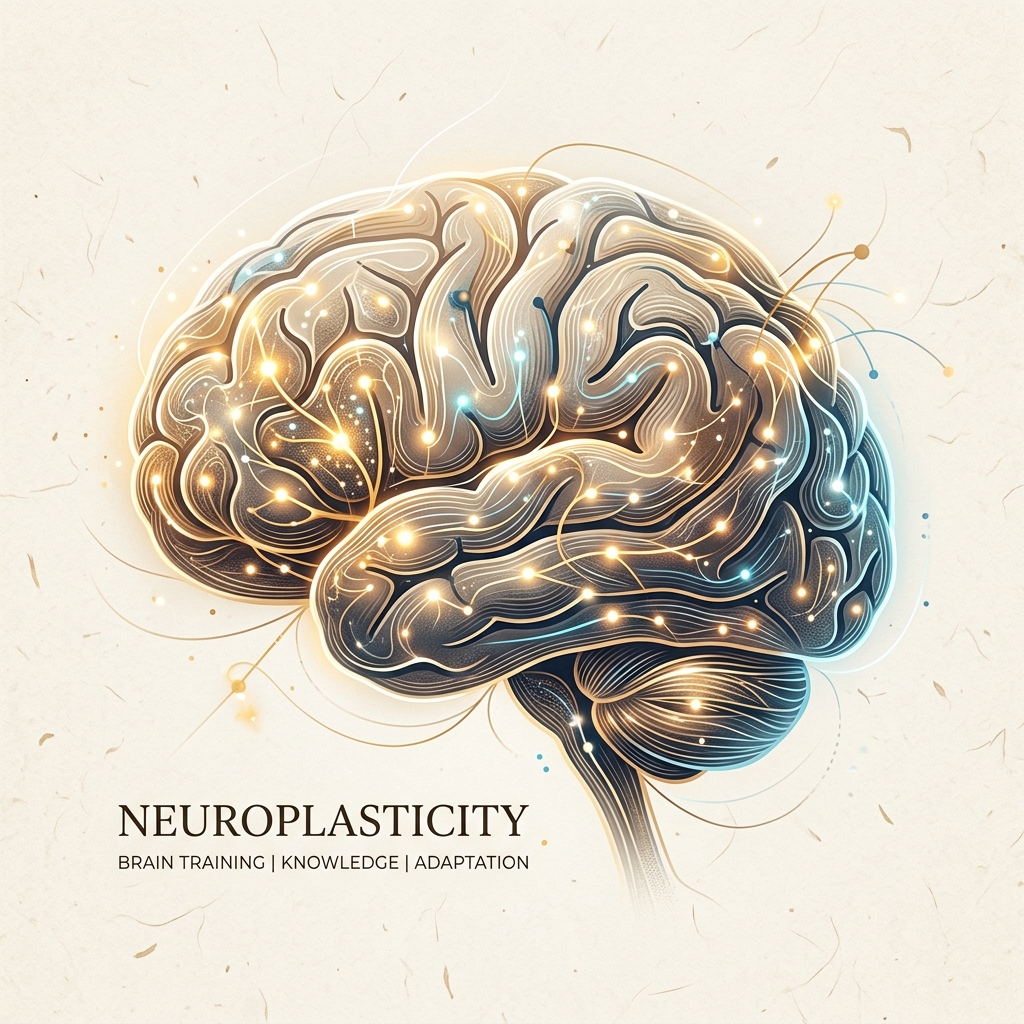
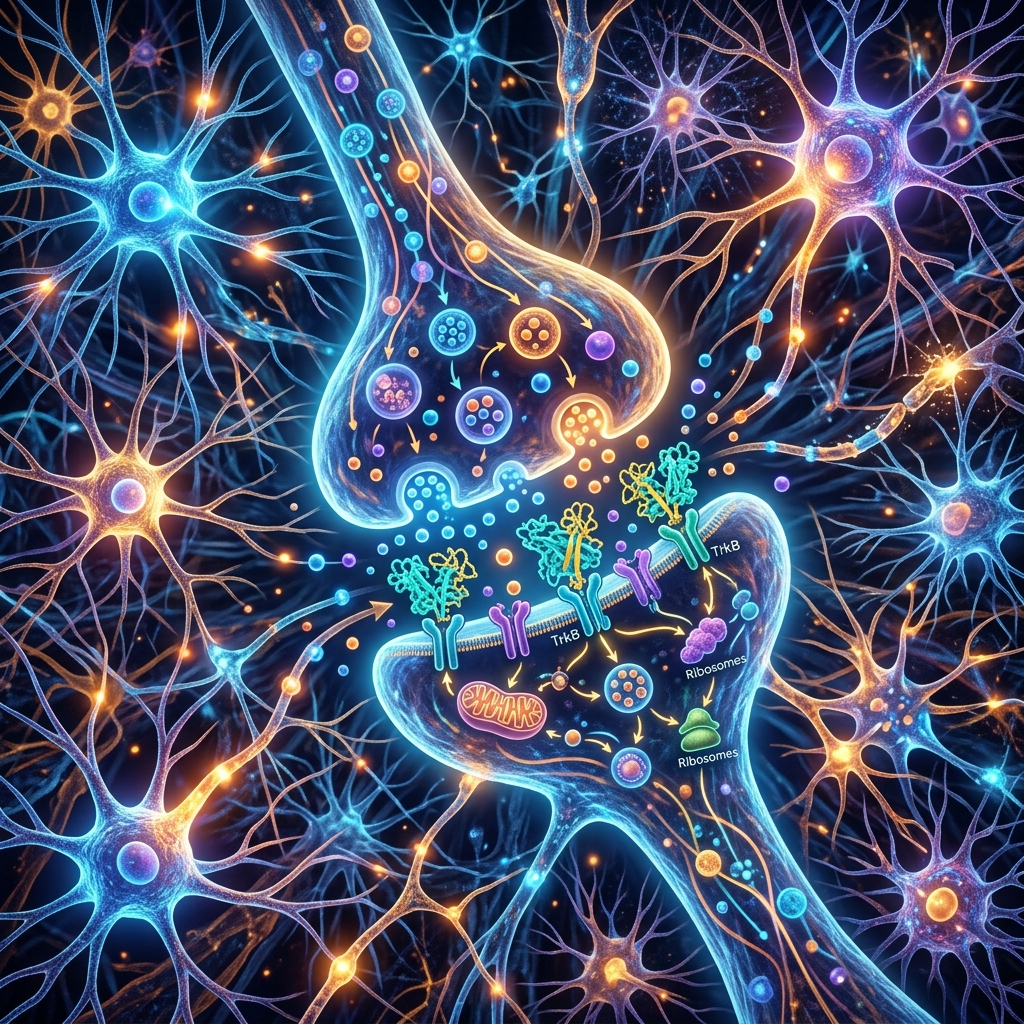
The old medical belief that adult brain structure is static has been disproven. Modern neuroscience confirms that adult brains can physically grow and optimize their neural pathways through Neuroplasticity. We explore how to biohack your baseline intelligence by maximizing the brain's supreme organic fertilizer: Brain-Derived Neurotrophic Factor (BDNF).
IQ (standard analytical intelligence) and EQ (Emotional Intelligence) are frequently framed as opposing forces. Modern cognitive neuroscience demonstrates that they are highly cooperative networks that act in synergy, combining to unlock outstanding real-world performance, leadership, and personal fulfillment.
An in-depth academic look into the statistical benchmarks of IQ, the percentile distribution, the average IQ of the Japanese population, and the cognitive traits representing IQ 120 and 130 in daily life.
An in-depth look into Borderline Intelligence (IQ 70-84), the daily challenges faced by grey-zone adults, and scientific strategies to support cognitive performance.
Explore the relationship between adult developmental disorders (ADHD/ASD) and IQ. Learn how to map cognitive discrepancies (spiky profiles) to successful career paths using WAIS-IV metrics.
Can you prepare for an IQ test? Learn the key puzzle patterns—such as matrix reasoning—and discover evidence-based methods to enhance fluid intelligence.
Explore the cognitive profiles of high-IQ celebrities, historical geniuses, and Mensa members. Read about their estimated IQ metrics and fascinating life stories.
IQ Lab evaluates your skills across 5 core cognitive domains from a randomized 300-question pool, generating high-precision profiles and personal diplomas completely free.
🧠 Start Cognitive Assessment (100% Free)