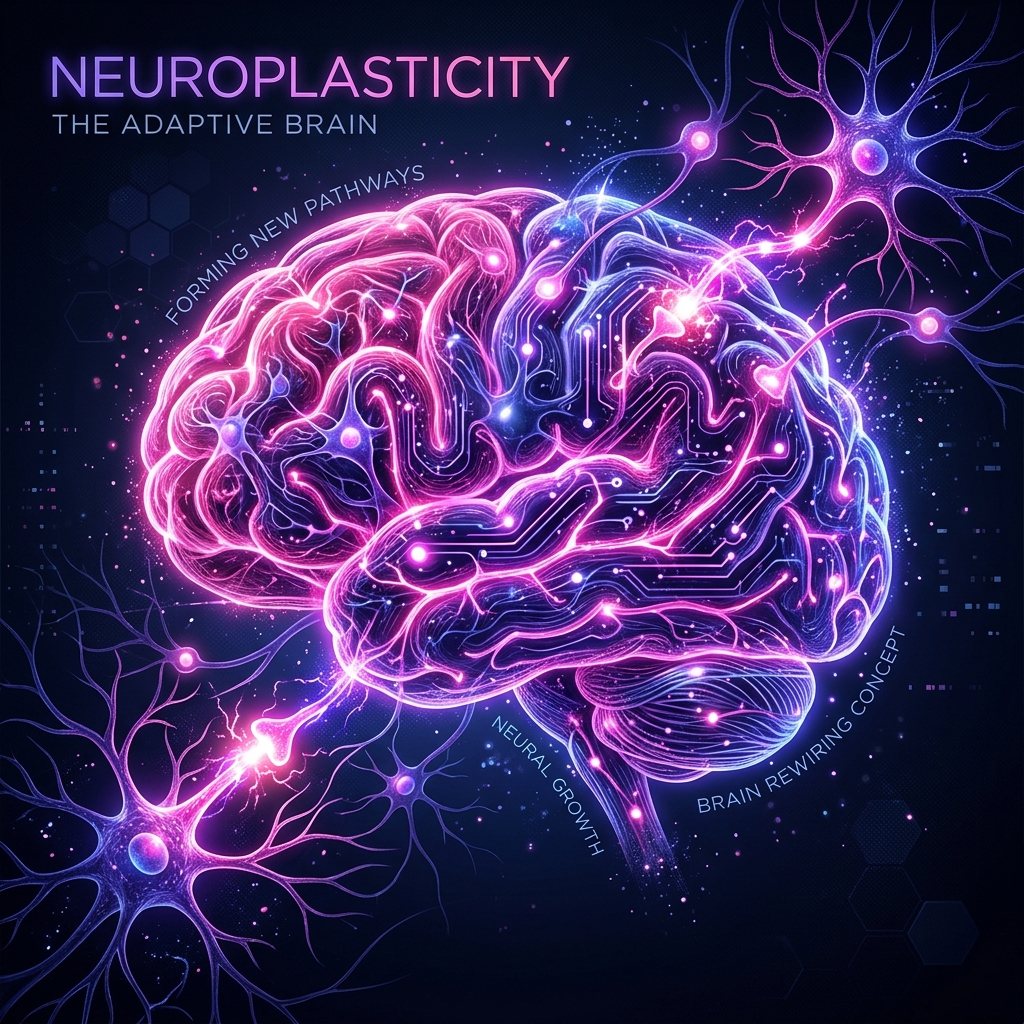
Neuroplasticity (neural plasticity) is the fundamental capacity of the brain's synapses and pathways to physically reorganize, build new connections, and alter their electrical characteristics throughout life. It breaks the old medical dogma that "the adult brain is structurally fixed."
1. The Golden Rule of Plasticity: Hebbian Learning
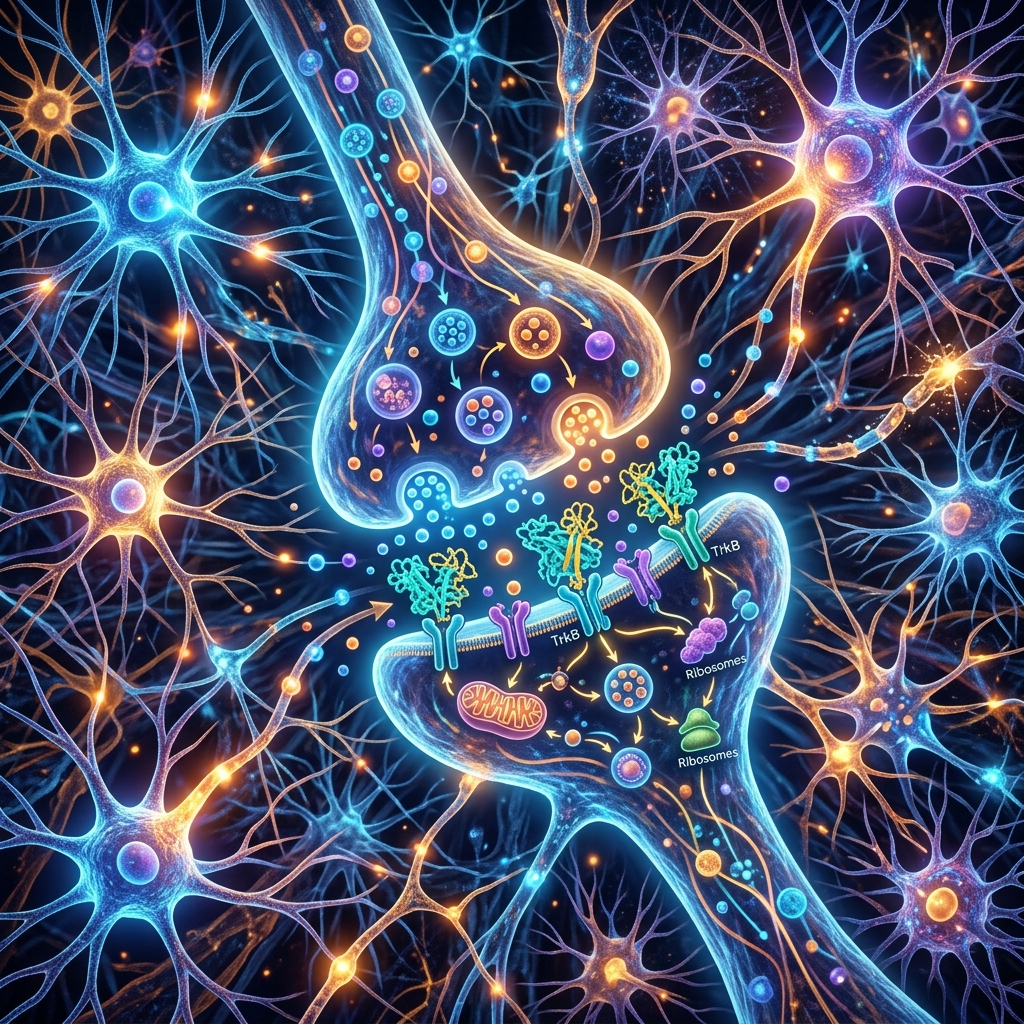
The biological engine of plasticity is encapsulated in Donald Hebb's 1949 rule: "Neurons that fire together, wire together." When two connected neurons repeatedly fire in tandem, the physical synapse between them strengthens, and new dendrites sprout. This physiological mechanism forms the physical basis of memory and cognitive development.
2. Structural Adaptation: The London Taxi Driver Study
One of the most famous proofs of structural plasticity is Eleanor Maguire's study of London taxi drivers. Drivers who memorized London's complex grid showed physically enlarged posterior hippocampi (the brain's spatial mapping unit) compared to the general public. Crucially, this growth directly correlated with their years of driving experience, proving that spatial load physically changes brain anatomy.
3. Activating Plasticity: The Role of BDNF
To trigger neuroplasticity, the brain relies on Brain-Derived Neurotrophic Factor (BDNF)—often called "fertilizer for brain cells." Aerobic exercise combined with high cognitive stimulation (learning new tools, languages, or complex games) raises BDNF levels, optimizing the growth of new synaptic terminals.