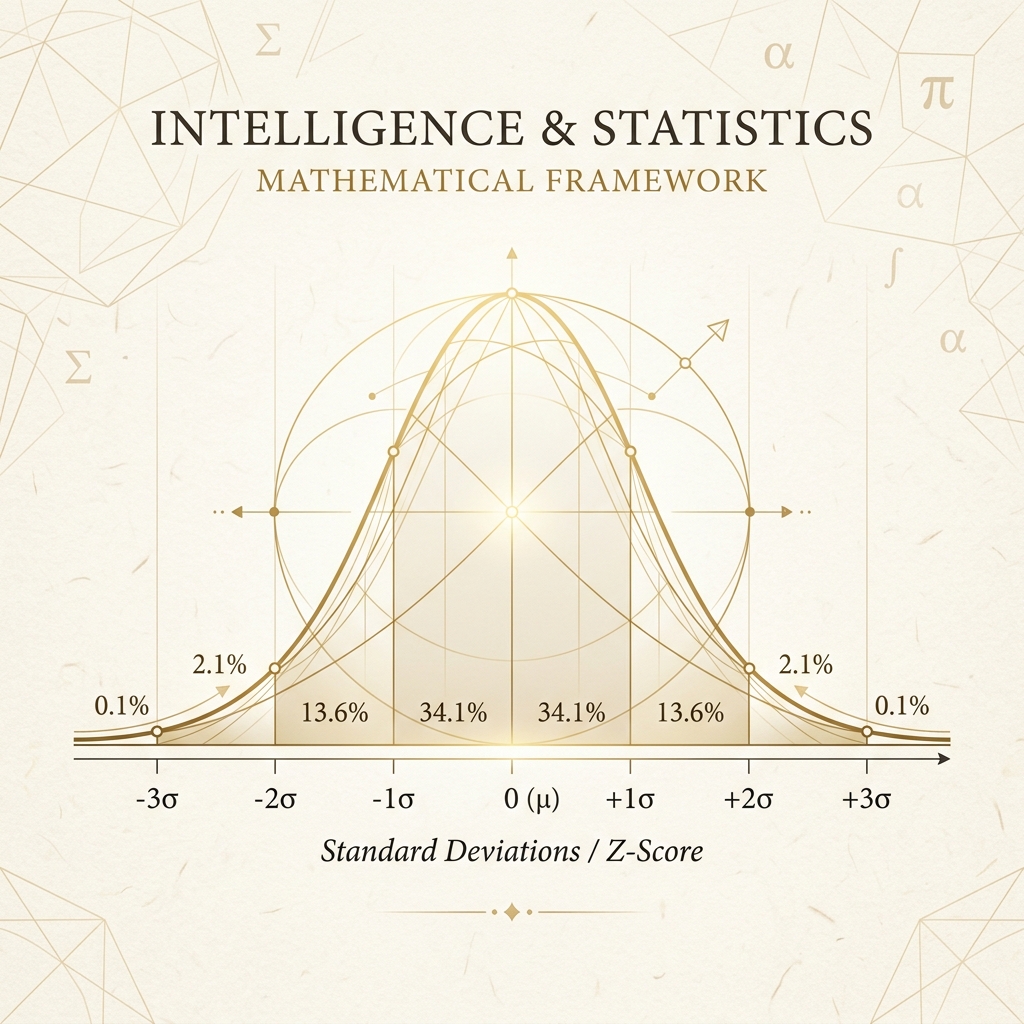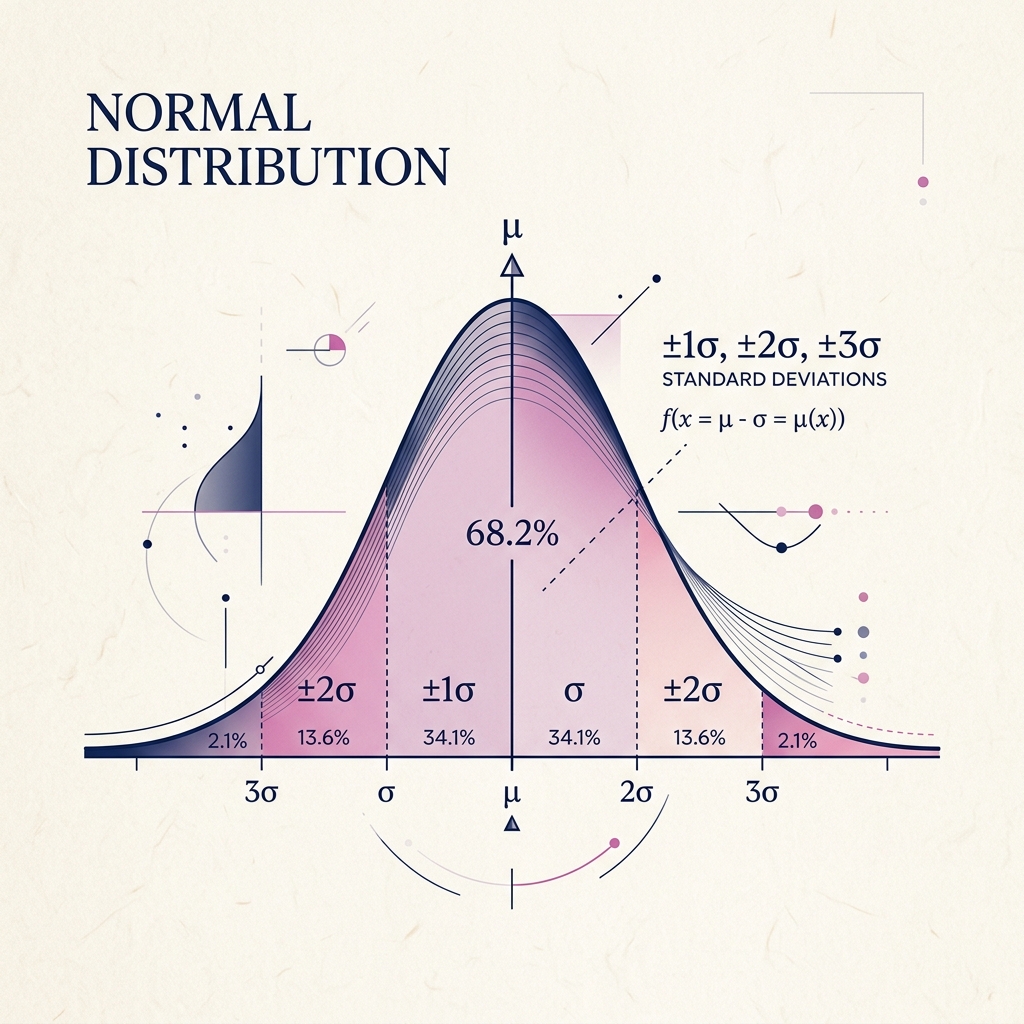

Mensa is an international high-IQ society founded in 1946 by Roland Berrill and Lancelot Ware. Its sole criterion for membership is scoring in the top 2% (98th percentile) of the general population on standard, standardized intelligence scales, ensuring a flat, non-discriminatory environment for cognitive minorities.
1. The Top 2% Percentile Standard
The Mensa entry criteria of top 2% translates to different numerical scores based on the standard deviation:
- SD15 Scale (Wechsler/WAIS): Requires IQ 131 or higher.
- SD24 Scale (Cattell): Requires IQ 150 or higher.
Both scores reflect the exact same statistical standing (1 in 50 people).
2. Three Core Purposes of Mensa
According to the Mensa Constitution, the society has three major objectives:
- Identify and foster human intelligence for the benefit of humanity.
- Encourage research into the nature, characteristics, and uses of intelligence.
- Provide a stimulating intellectual and social environment for its members, offering a space where gifted individuals can connect and avoid cognitive isolation.
3. The Mensa Test
Mensa applicants typically qualify through two paths: taking a Mensa-administered matrix reasoning test (a culture-fair, non-verbal geometric pattern test evaluating Gf), or submitting certified WAIS-IV clinical scores.