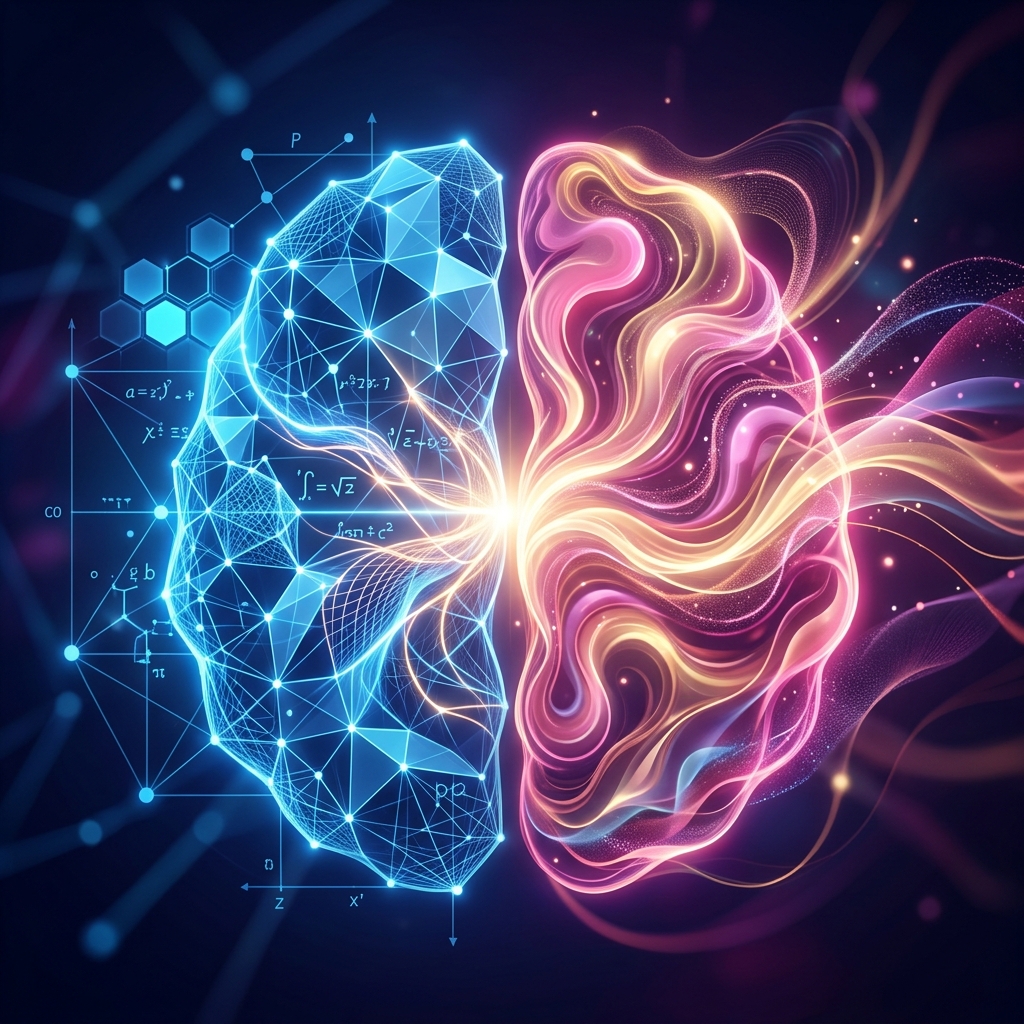
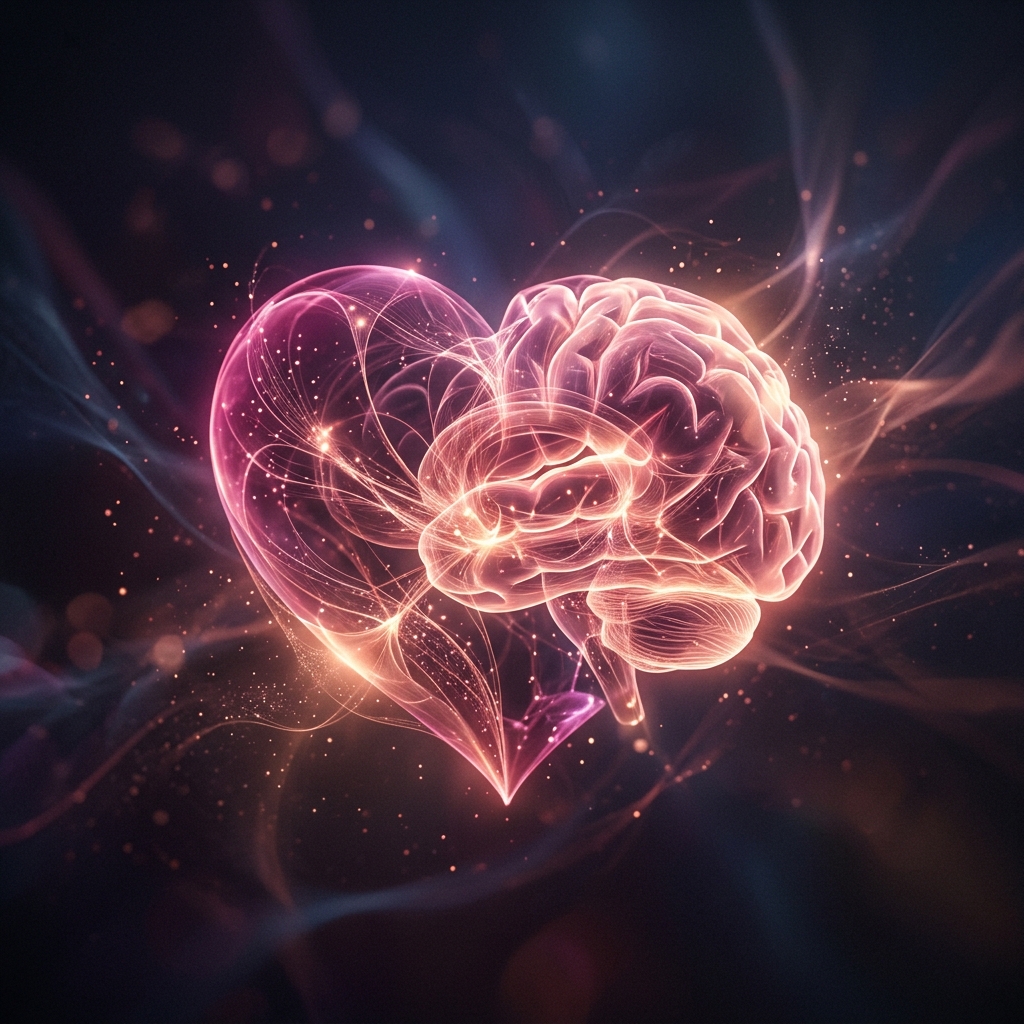
Emotional Intelligence (EQ/EI) represents the capacity to perceive, process, understand, and regulate emotional data within oneself and in interactions with others. While IQ serves as the computational horsepower of the brain's analytical processor, EQ represents the essential system interface, steering, and emotional stability that keeps that engine running efficiently.
1. The Four Branches of Salovey and Mayer's Model
The term was scientifically formulated in 1990 by psychologists Peter Salovey and John D. Mayer. They structured Emotional Intelligence into four hierarchical branches:
- Perceiving Emotion: The capacity to accurately identify and decode emotions in facial expressions, tone of voice, body language, and art.
- Using Emotion to Facilitate Thought: Leveraging emotional states to guide prioritization, enhance creative problem-solving, and channel mental energy product waves constructively.
- Understanding Emotion: The metacognitive ability to analyze the underlying causes of complex emotions (e.g., how frustration turns into anger) and predict emotional transitions over time.
- Managing Emotion: The supreme capacity to self-regulate emotional swings under intense stress, soothe negative impulses, and foster positive social dynamics.
2. Neurobiology of EQ: The PFC-Amygdala Highway
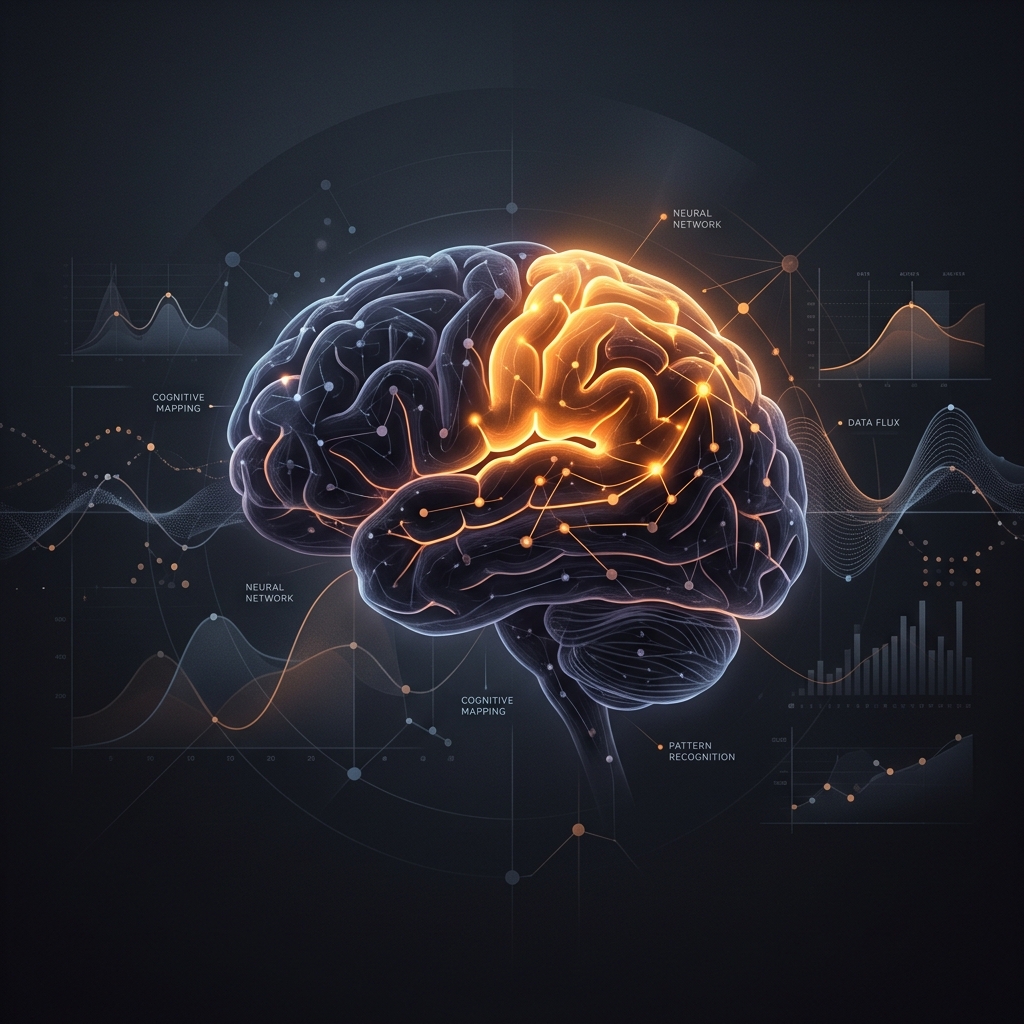
Neurologically, EQ is mapped to the functional connections linking the Prefrontal Cortex (PFC) (specifically the ventromedial and orbitofrontal regions) and the Amygdala, the emotional sentinel.
When stress or threats occur, the amygdala fires instantly, triggering a chemical panic (fight-or-flight). A brain with high EQ features highly efficient, thick neural connections that send rapid inhibitory signals from the PFC to calm the amygdala's alarm.
This self-regulation is critical to preserving Working Memory slots. An uninhibited amygdala floods the frontoparietal networks with panic, saturating all 4 active working memory slots and rendering logical analysis impossible. By managing these emotional waves, EQ maintains a clean mental workspace, allowing your raw analytical IQ capabilities to operate at 100% capacity.
3. Daniel Goleman and Real-World Success
In 1995, psychologist Daniel Goleman popularized the concept through his bestselling book *Emotional Intelligence*. Analyzing corporate leadership data, Goleman argued that above an average IQ threshold of 120, career advancement, leadership excellence, and overall personal fulfillment (QOL) are predicted far more by EQ than by raw IQ points. A high-IQ analyst with low EQ can easily alienate teams and collapse under stress, whereas high EQ enables high-IQ leaders to inspire and execute complex strategies successfully.
4. The Synergy of Intellectual Engines
IQ and EQ are not rivals; they are cooperative systems. Developing your emotional self-awareness (EQ) is not "soft work"; it is the essential hardware maintenance that keeps your analytical prefrontal networks operating at maximum efficiency.
Benchmark your cognitive optimization with the tools here at "IQ Lab." By understanding your raw cognitive profiles (IQ) and actively practicing mindful self-regulation (EQ), you align the twin hemispheres of your mind, unleashing your true potential to conquer real-world challenges.